Riga

Riga Sustainable Travel Guide: Explore Latvia's Capital

Experience Riga sustainable travel amidst a cityscape rich with Art Nouveau design and the serene flow of the Daugava River.

Sustainable Riga: Art Nouveau splendor and Baltic heritage for conscious explorers.
Latvia

Overview

About Riga

Riga Sustainable Travel offers a compelling journey into the Baltic's largest city, where Art Nouveau grandeur meets a vibrant green conscience. Wander through the cobbled streets of Old Town, a UNESCO World Heritage site, and appreciate its meticulously preserved architecture and thriving cafe culture. This guide will illuminate how to explore Riga responsibly, from its historic charm to its modern initiatives, ensuring a thoughtful and impactful visit.

Top Highlights

  • Wander the Art Nouveau architecture of Alberta Street.
  • Explore the Central Market, a UNESCO World Heritage site housed in former Zeppelin hangars.
  • Discover the medieval charm of Riga Cathedral and its surrounding Old Town streets.
  • Kayak along the Daugava River, admiring city views from the water.
  • Visit the Latvian National Museum of Art, home to extensive Latvian and Baltic art collections.
  • Stroll through Bastejkalns Park, enjoying green spaces and the Freedom Monument.
  • Experience a traditional Latvian sauna ritual for local wellness.

Riga Sustainable Travel offers a distinctive journey into a city where medieval charm meets elegant Art Nouveau, all set along the Daugava River. Latvia’s capital presents a compelling blend of historical depth, architectural grandeur, and a growing commitment to responsible tourism practices. Travelers here can explore a rich cultural tapestry, from cobblestone streets to grand boulevards, experiencing its Baltic character firsthand. This guide will illuminate how to explore Riga thoughtfully and respectfully.

Exploring Riga's Architectural and Historical Layers

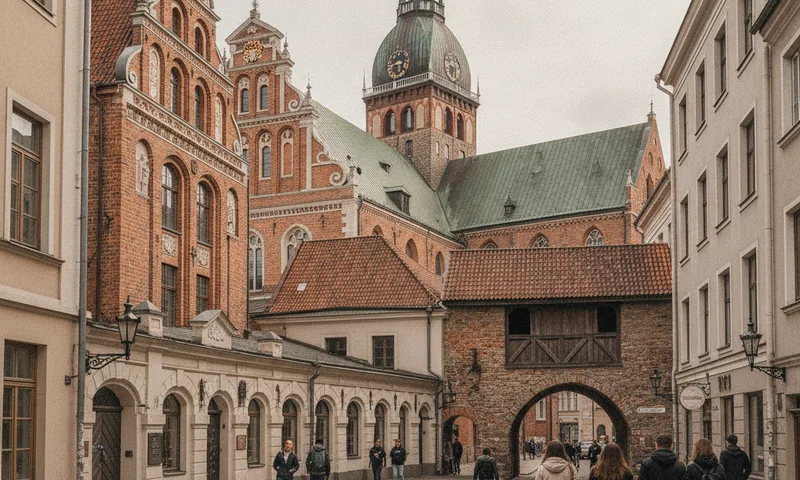
Riga's Old Town, known as Vecrīga, is a UNESCO World Heritage site and a testament to centuries of trade and influence. Wander through its narrow, winding lanes to discover architectural marvels like the iconic House of the Blackheads, a meticulously reconstructed guild hall, and the commanding St. Peter's Church, offering panoramic city views from its spire. The area’s predominantly pedestrian-friendly layout encourages slow exploration, allowing visitors to appreciate the intricate details of merchant houses and historic squares such as Doma Laukums, home to Riga Cathedral.

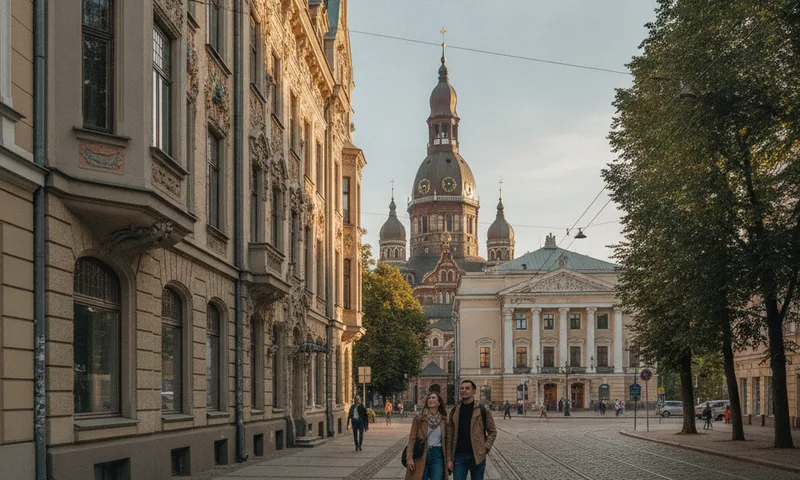
Beyond the medieval heart, Riga boasts one of the world's finest collections of Art Nouveau architecture. Stroll along Alberta Iela and Elizabetes Iela in the "Quiet Centre" to admire the elaborate facades, adorned with mythical creatures, intricate floral motifs, and dramatic sculptures, largely designed by architects like Mikhail Eisenstein. These streets provide an open-air museum experience, showcasing the city's prosperity at the turn of the 20th century. For those keen to delve deeper into the city's past and present, consider exploring various Riga tours that offer specialized insights.

Embracing Responsible Exploration in Latvia’s Capital

For travelers seeking a deeper connection with their destination, Riga provides ample opportunities to engage responsibly. The city appeals to history buffs, architecture enthusiasts, and those interested in experiencing authentic Baltic culture away from mass tourism hubs. Embracing Riga Sustainable Travel means supporting local businesses and cultural institutions, from independent craft shops in Kalnciema Kvartāls to traditional eateries serving regional Latvian cuisine. A visit to the vast Riga Central Market, housed in converted Zeppelin hangars, is an excellent way to support local producers and experience daily life; learn more about local events and attractions via Live Riga.

The city's extensive network of parks and green spaces, such as Bastejkalna Park and Kronvalda Park, offers serene escapes and opportunities for low-impact recreation. Riga also encourages the use of public transport, including trams and trolleybuses, which are an efficient and environmentally conscious way to navigate the city. By choosing to walk, cycle, or use public transport, visitors contribute to the city’s efforts to reduce its carbon footprint, aligning with the principles of Riga Sustainable Travel.

This guide provides practical information and inspiration for a thoughtful journey to Riga, from specific culinary recommendations to ethical transport options. Plan your enriching and respectful exploration of this Baltic gem.
When to Visit

When to Visit Riga

For Riga sustainable travel, the shoulder seasons of May or September offer an ideal balance. May brings mild, pleasant weather (10-18°C), blooming parks, and fewer crowds than the summer peak, often resulting in lower accommodation costs. September provides crisp air, beautiful autumn foliage, and comfortable temperatures (12-18°C), perfect for exploring the Old Town without the summer rush. While summer (June-August, 18-25°C) is vibrant with festivals and long daylight hours, it sees the highest tourist numbers and prices. Winter (November-March, often below 0°C) features charming festive markets but can be very cold. For a first-time visitor seeking pleasant conditions and manageable crowds, May is highly recommended.

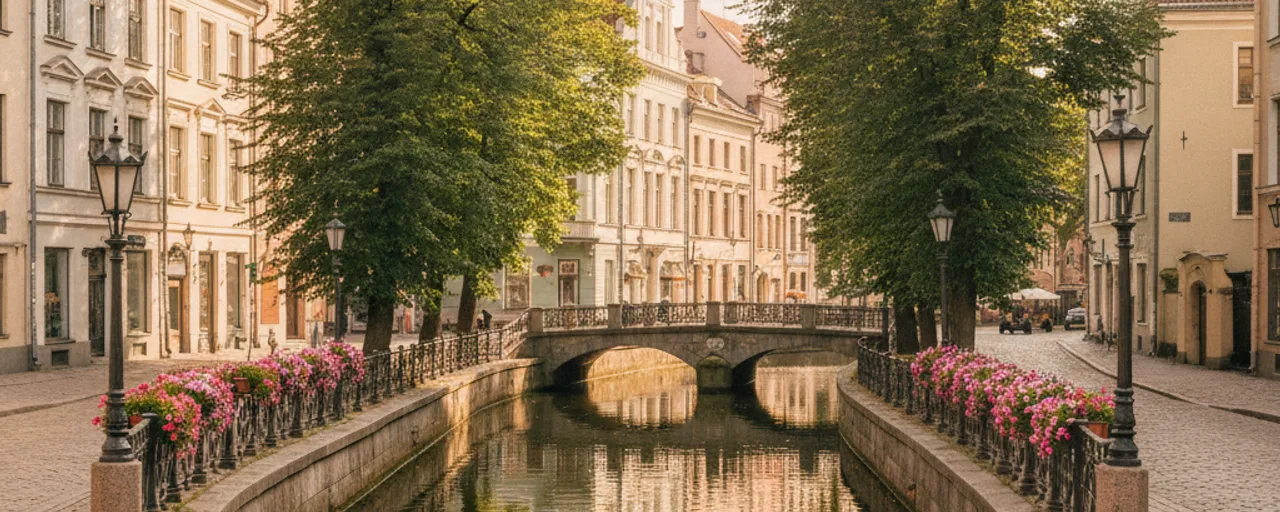
Charming canal in Riga lined with historic buildings, lush trees, and vibrant pink flowers on bridge railings.

A picturesque canal scene in Riga, Latvia, bathed in warm sunlight, featuring an elegant arched bridge, stately pastel-colored buildings, and abundant pink flowers adorning wrought-iron railings. Reflections shimmer on the tranquil water.

Riga experiences four distinct seasons. Spring (April-May) sees temperatures rise from 5°C to 15°C, as the city thaws and greenery emerges, though April can still feel cool. Summers (June-August) are pleasantly warm, ranging from 15°C to 25°C, with long daylight hours ideal for outdoor exploration. Autumn (September-November) brings crisp air and vibrant foliage, with temperatures gradually falling from 15°C to near 0°C; November can be wet and grey. Winters (December-March) are cold and often snowy, typically between -5°C and 5°C, creating a picturesque but chilly landscape. The best time to visit Riga for most is June to August, offering the warmest weather and longest days. December is also charming for Christmas markets, despite the cold. Avoid late autumn (November) and early spring (March), which tend to be damp and less appealing for sightseeing.

Best months to visitJune to September
Jan
Feb
Mar
Apr
May
Jun
Jul
Aug
Sep
Oct
Nov
Dec
Best timeOff-peak
MonthHigh °CLow °CRain (mm)
January0°-5°40
February0°-6°35
March4°-3°35
April11°2°45
May17°7°55
June20°11°70
July23°14°75
August22°13°70
September17°9°65
October10°4°65
November5°1°55
December1°-3°45

Areas to Explore

Areas to Explore

VecrīgaMedieval, charming, walkable

Vecrīga

Vecrīga, the historic heart of Riga, is a UNESCO World Heritage site known for its cobblestone streets and well-preserved medieval architecture. Wander through its narrow lanes, discovering landmarks like the House of the Blackheads on Town Hall Square and the Riga Cathedral. This compact area is ideal for solo travelers and history enthusiasts who appreciate pedestrian-friendly exploration. Sustainable travel in Riga often starts here, with many key attractions accessible by foot, reducing the need for motorized transport.

  • Explore the architecture of the House of the Blackheads
  • Visit Riga Cathedral (Rīgas Doms)
  • Walk along Maza Pils street to see the Three Brothers houses
CentrsGrand, Architectural, Cultured

Centrs

Riga's Centrs district, particularly the area around Alberta iela and Elizabetes iela, showcases a remarkable concentration of Art Nouveau architecture. Stroll these wide boulevards to admire the intricate facades and decorative elements that define early 20th-century design. This district is ideal for architecture enthusiasts, history buffs, and those who appreciate urban walkability and grand European streetscapes. It offers a quieter pace than the Old Town while still being central to many cultural institutions.

  • Exploring the Art Nouveau buildings on Alberta iela
  • Visiting the Latvian National Museum of Art
  • Admiring the Riga Nativity of Christ Cathedral
Miera IelaCreative, relaxed, independent

Miera Iela

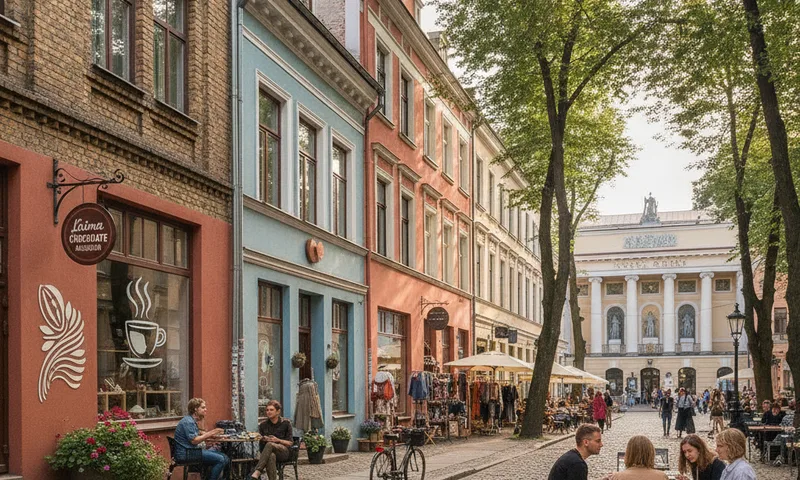
Centered around Miera iela, or "Peace Street," this district offers a relaxed, creative atmosphere slightly removed from the city's main tourist routes. It is known for independent boutiques, art studios, and quiet cafes that often prioritize sustainable practices. The neighborhood provides a genuine glimpse into Riga's contemporary culture, appealing to travelers interested in independent design, local craftsmanship, and those seeking a slower pace. The nearby Latvian Academy of Art contributes to its distinctive artistic character.

  • Latvian Academy of Art
  • Laima Chocolate Museum
  • Independent boutiques along Miera iela

Getting Around

Getting Around

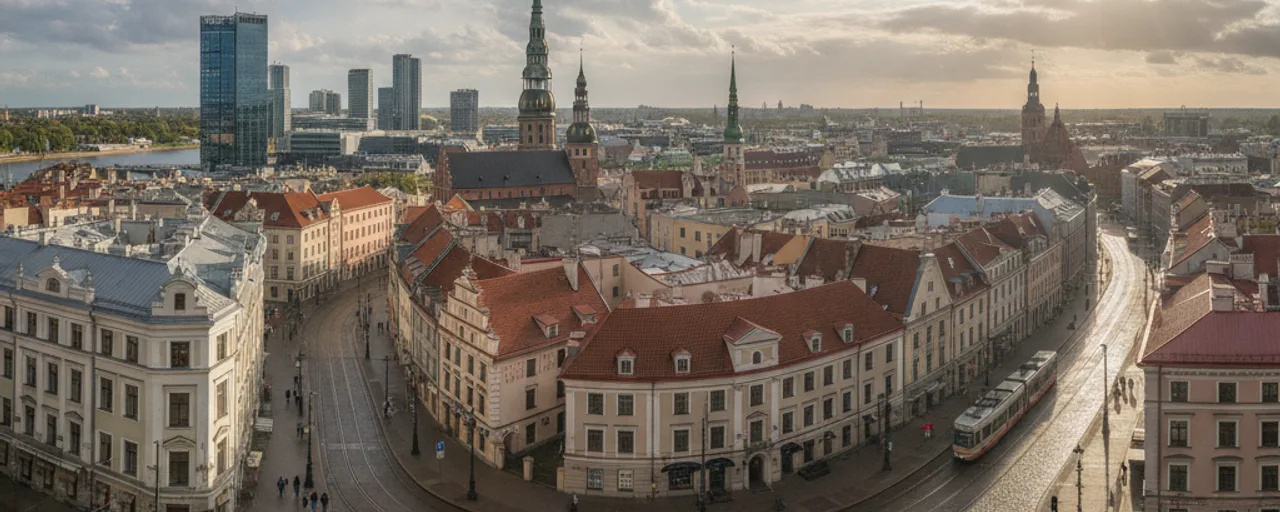
Navigating Riga is straightforward and environmentally considerate thanks to its comprehensive public transport network, operated by Rīgas Satiksme. This system includes an extensive array of trams, trolleybuses, and buses connecting all parts of the city. A single journey purchased with an e-talons card costs approximately €1.15, or €2.00 when bought directly from the driver. The city continually invests in greener fleets, with a significant number of electric trolleybuses, contributing to a strong eco-friendly rating for public transit. For shorter distances and exploring the Old Town, walking is ideal. Additionally, Bolt offers widespread bike and scooter rentals, providing a flexible and sustainable way to traverse Riga.

Panoramic view of Riga's historic Old Town and Daugava River, showcasing sustainable urban development and a tram.

Expansive view of Riga's skyline, showcasing a blend of historic Old Town architecture with red-tiled roofs and church spires, modern high-rises, and the Daugava River under an overcast sky. A tram promotes sustainable city exploration.

Rīgas Satiksme Trams

Riga's extensive tram network, operated by Rīgas Satiksme, offers an efficient and eco-friendly way to explore the city, connecting the Old Town with various districts like Āgenskalns and Miera iela. A single journey ticket typically costs €1.15 when purchased in advance via an e-talons card, making it a very affordable option for getting around. The electric trams minimize urban pollution.

low

Buy an 'e-talons' card and load it with tickets from kiosks or ticket machines to pay a lower fare than buying from the driver on board.

Rīgas Satiksme Trolleybuses

Riga's extensive trolleybus network offers an electric and relatively quiet way to navigate the city. Operating over 20 routes, these vehicles connect key areas from the Old Town fringes to residential districts like Purvciems and Imanta. A single journey ticket costs around €1.15 when purchased in advance via the 'Riga's Card' e-ticket system or €2.00 from the driver. They are an eco-friendly option, contributing to less air pollution in the urban environment.

low

Purchase an e-ticket ('e-talons') from a 'Narvesen' kiosk or Rīgas Satiksme customer service center before boarding to save money on fares, then validate it upon entry.

Rīgas Satiksme Buses

Riga's extensive bus network, operated by Rīgas Satiksme, covers areas not reached by trams or trolleybuses, including connections to the airport and surrounding neighborhoods. A single ticket costs approximately €1.15 if purchased in advance via an e-ticket or app, or €2 from the driver. Buses are an eco-friendly way to navigate the city, especially with newer electric models being introduced.

low

Purchase an e-ticket in advance via the 'Rīgas satiksme' mobile app or at a Narvesen kiosk to save money compared to buying from the driver.

Eco Travel

Travel Sustainably

Embrace Riga sustainable travel by exploring the city on foot or utilizing its efficient public transport, including the extensive tram lines which crisscross the city. Prioritize local businesses, from independent cafes in the Art Nouveau district to artisans selling crafts. Support the local economy and reduce your footprint by dining at restaurants sourcing ingredients from places like Riga Central Market. When planning your trip, consider booking accommodations and tours through Yovu's platform, which verifies operators for their commitment to environmental stewardship and community benefit, ensuring your visit contributes positively to Latvia's capital.

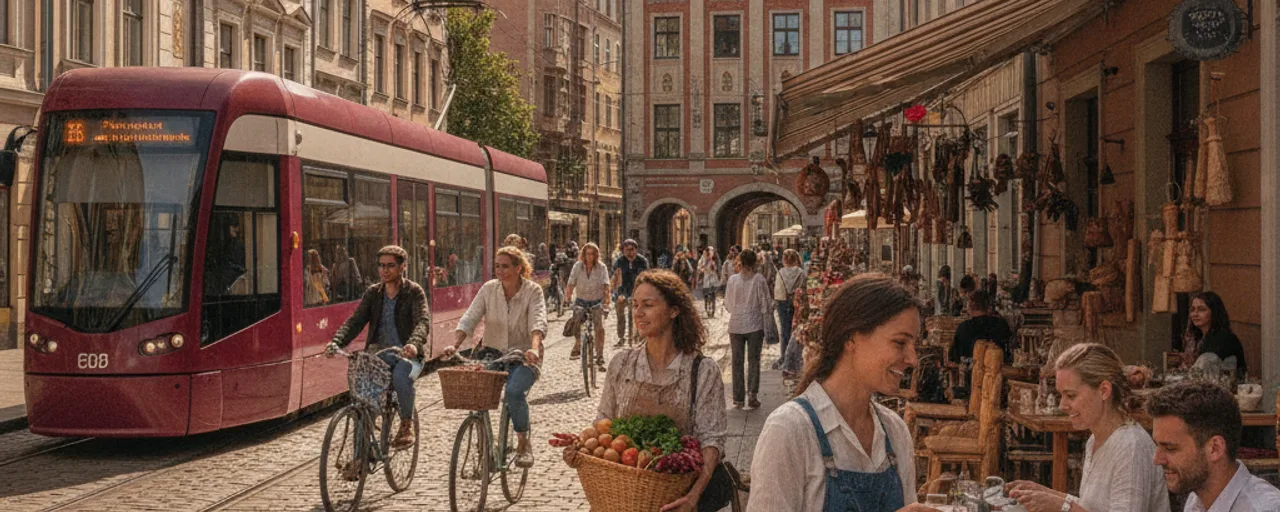
Cobblestone street in Riga bustling with cyclists, a modern tram, and people enjoying outdoor cafes, highlighting Riga sustainable travel.

A vibrant sunlit cobblestone street in the heart of Riga, Latvia, bustling with cyclists and a modern red tram. People enjoy outdoor cafes and browse artisan shops, reflecting the city's active lifestyle and authentic sustainable travel experiences.

Use Riga's Public Transport

Riga's efficient tram network, like Line 1, connects major sights from the Old Town to Mežaparks. Opting for public transport over taxis reduces carbon emissions and eases city congestion. Purchase an e-ticket at Narvesen kiosks.

Shop at Riga Central Market

Explore Riga Central Market, a UNESCO World Heritage site, for fresh, seasonal Latvian produce and artisan goods. Supporting local vendors here directly contributes to the community and reduces food miles, offering a more sustainable culinary experience.

Explore Riga by Bicycle

Navigate Riga's charming streets and parks on two wheels. Rent a bike from a local shop near the Old Town or use a shared service like Nextbike Riga. This reduces carbon emissions, offers a direct way to experience the city at your own pace, and supports local businesses.

Traveling to Riga, like any destination, involves a carbon footprint, with flights being a significant contributor. For instance, a flight from London to Riga emits approximately 0.15-0.25 tons of CO2 per passenger, while New York to Riga can be around 0.6-0.8 tons. Yovu encourages travelers to consider offsetting these emissions through verified projects that support renewable energy or reforestation. Beyond offsetting, Yovu connects you with sustainable accommodations, local transport options like electric trams, and low-impact experiences in Riga, helping you make responsible choices throughout your journey.

Learn more about our green initiatives

Culture

Local Culture

Riga's culture is a blend of ancient traditions and modern influences, deeply rooted in Latvian identity. A cornerstone is the Latvian Song and Dance Festival (Dziesmu un Deju svētki), a UNESCO-recognized event held every five years, where thousands of singers and dancers from across the country gather. Locals also cherish Līgo svētki, the Midsummer's Eve celebration on June 23rd, marked by bonfires, traditional songs, and fern flower searches. Politeness is valued; a firm handshake is common upon greeting, and it's customary to remove shoes when entering someone's home. Conversations tend to be direct but respectful, reflecting a pragmatic approach.

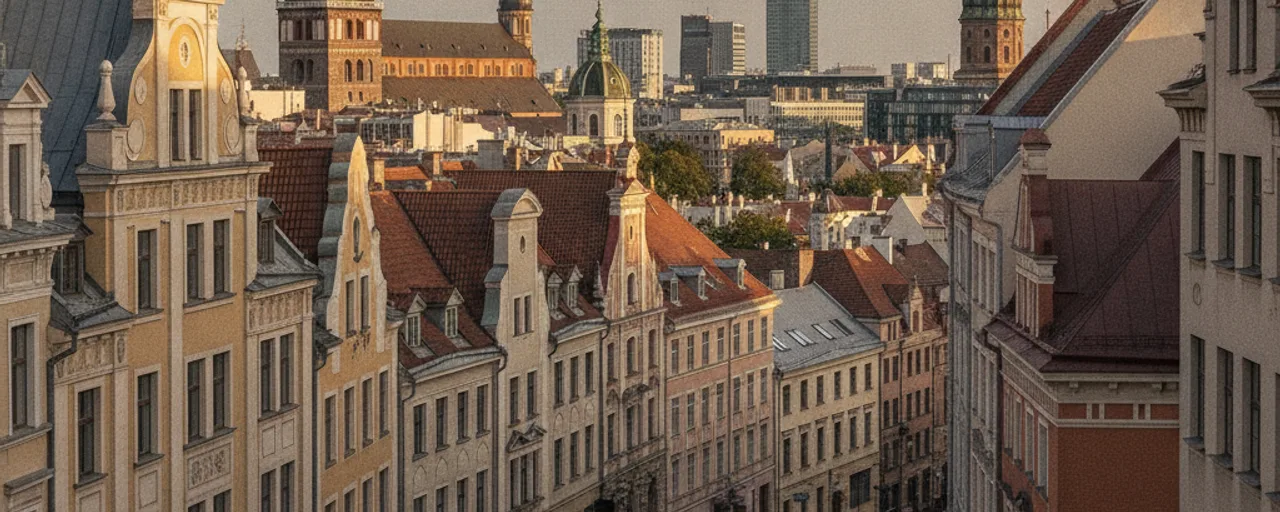
Historic Riga cityscape with ornate gabled buildings and diverse rooftops, showcasing its heritage for sustainable travel.

An atmospheric view of Riga's historic cityscape, featuring beautifully preserved ornate buildings with distinctive gabled roofs under soft golden hour light. The blend of ancient churches and modern towers in the distance reflects Riga's rich cultural tapestry and heritage.

Greeting Customs

Latvians tend to be reserved upon first meeting. A firm handshake and direct eye contact are appropriate when introduced to someone. Avoid overly effusive greetings or loud conversation in public spaces, as this might be perceived as lacking sincerity. This reflects a cultural preference for understated respect and genuine connection over superficial displays.

high

Flower-giving Etiquette

When presenting flowers in Latvia, always ensure you give an odd number of stems, as even numbers are traditionally reserved for funerals. Red roses typically symbolize romantic intentions, so consider other varieties for casual gifts or professional settings. This custom reflects a quiet respect for tradition and the specific meaning assigned to floral gestures.

medium

Food & Drink

Food & Drink

Riga's culinary landscape blends traditional Latvian comfort food with modern influences, prioritizing seasonal, local ingredients. A staple is `Rupjmaize`, a dark, dense rye bread, often found fresh at Riga Central Market or served with meals across the city. Don't miss `Pelēkie zirņi ar speķi` (grey peas with speck), a hearty, savory dish often enjoyed during colder months or at traditional Latvian eateries in the Old Town. For something sweet, seek out `Sklandrausis`, a unique sweet pie made with rye flour, potatoes, and carrots, available in many local bakeries. To complete the experience, try `Riga Black Balsam`, a herbal liqueur, often served neat or in cocktails.

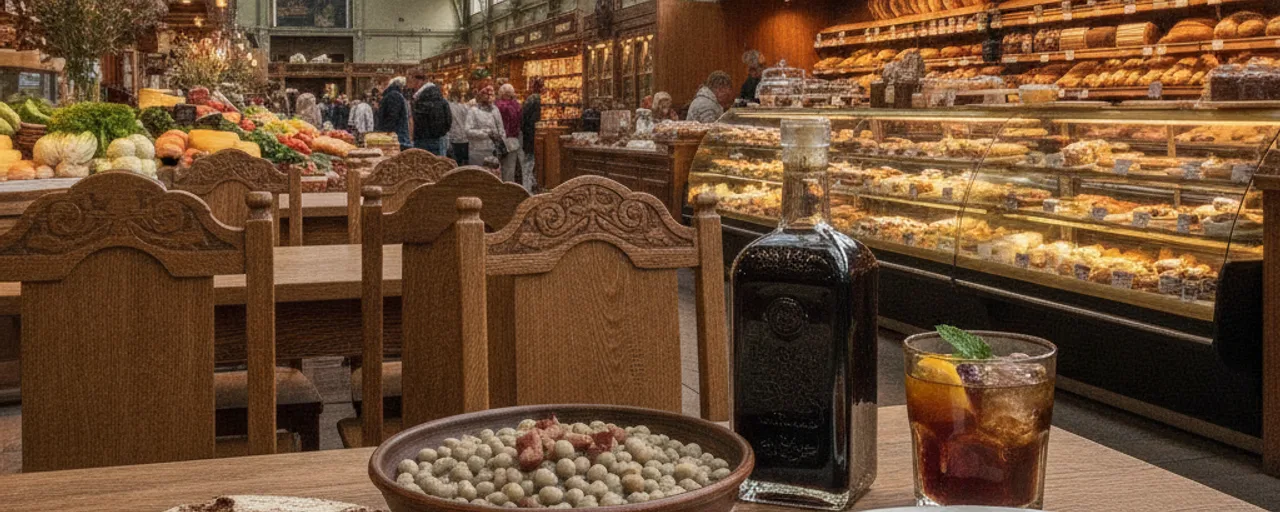
Bustling Riga food market interior with fresh produce, bakery, and traditional drinks, highlighting sustainable travel options.

Capturing the vibrant energy of a traditional Riga market hall, this scene features colorful displays of fresh produce and artisanal baked goods, alongside a table with local drinks and dishes. Reflects authentic culinary experiences.

Pelēkie zirņi ar speķi

Pelēkie zirņi ar speķi, or grey peas with bacon, is a foundational Latvian comfort food. This hearty dish features soft, earthy grey peas stewed until tender, served with generous amounts of pan-fried smoked bacon (speķis) and caramelized onions. The smoky, savory flavors are balanced by the sweet onions, creating a robust taste. Find it at traditional Latvian eateries like LIDO or popular Old Town restaurants, especially in colder seasons.

Contains pork

Speķrauši (Pīrāgi)

These small, crescent-shaped baked buns are a staple of Latvian cuisine, typically filled with finely diced smoked bacon and onion. They offer a savory, slightly smoky flavor with a soft, yeasty texture. Often enjoyed as a snack or alongside a warm soup, you can find fresh Speķrauši at local markets like Rīgas Centrāltirgus, many bakeries, and traditional Latvian restaurants throughout Riga.

Contains pork

Rupjmaizes kārtojums

This layered dessert combines sweetened, dark rye bread crumbs with tart cranberry jam and fluffy whipped cream. It offers a unique interplay of sweet and sour, with a satisfying crunchy-creamy texture. Often served chilled in cafes and traditional Latvian restaurants throughout Riga. It is a comforting local staple.

Vegetarian. Contains gluten and dairy.

Essentials

Essential Information

Visa Requirements

For citizens of the European Union, Schengen Area, and the United Kingdom, no visa is required for stays up to 90 days within any 180-day period in Latvia, as it is part of the Schengen zone. US citizens can also enter Latvia visa-free for tourism or business for up to 90 days. For other nationalities, or for longer stays and different purposes, a Schengen visa may be necessary. All travelers should always verify the most current visa and entry requirements with their respective embassy or consulate, or the official Latvian Ministry of Foreign Affairs website, prior to planning their Riga sustainable travel experience.

Health & Safety

Riga is a generally safe city for travelers, though standard precautions apply. Tap water is safe to drink throughout the city, offering a sustainable alternative to bottled water. Routine vaccinations are typically sufficient; consult your healthcare provider for personalized advice. While serious crime is low, be aware of pickpockets, especially in crowded areas like the Old Town, around the Central Market, or on public transport. Unregulated taxis or bars near tourist zones might overcharge; always agree on a price beforehand or use ride-sharing apps. In case of emergency, the universal European number 112 will connect you to police, ambulance, or fire services. Staying vigilant and responsible ensures a smooth visit.

Emergency Numbers

Police

112

Ambulance

112

Fire

112

Embassy: Check your home country's embassy website for the local Riga contact details.

Ready to Explore Riga?

Sustainable tours with verified local operators. Small groups, real impact.