Tallinn offers an engaging blend of medieval history and modern innovation, making it an excellent destination for sustainable travel. Its well-preserved Old Town, a UNESCO World Heritage site, is easily explored on foot or by public transport, connecting visitors with centuries of Baltic heritage. Beyond its historic core, contemporary culture thrives with a focus on green initiatives and local experiences. This guide will explore how to discover Tallinn responsibly, from its historic streets to its contemporary offerings.
For those prioritizing Sustainable Travel, Tallinn, Estonia's capital, offers a journey where well-preserved medieval architecture gracefully merges with a forward-thinking digital society. Its compact Old Town, a UNESCO World Heritage site, showcases centuries of trade and culture through cobbled streets and historic buildings, while just beyond, a contemporary city thrives with innovation and green initiatives. This intriguing blend defines Tallinn, appealing to travelers who value both deep historical roots and urban progress.
Tallinn's Enduring Appeal
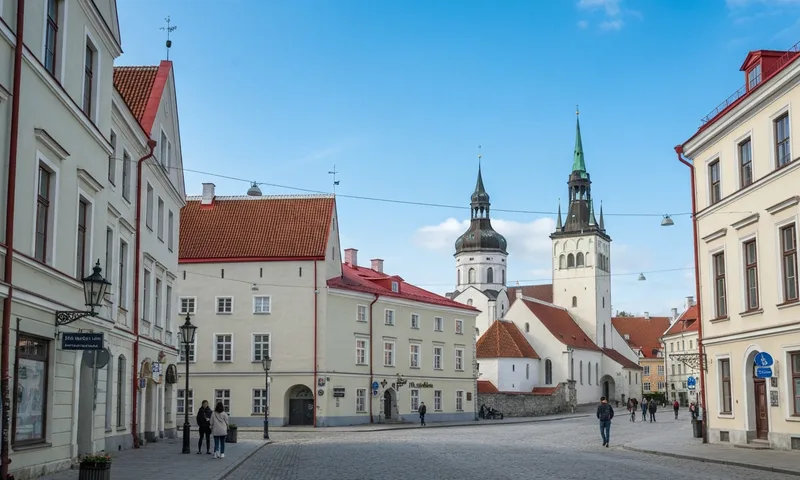
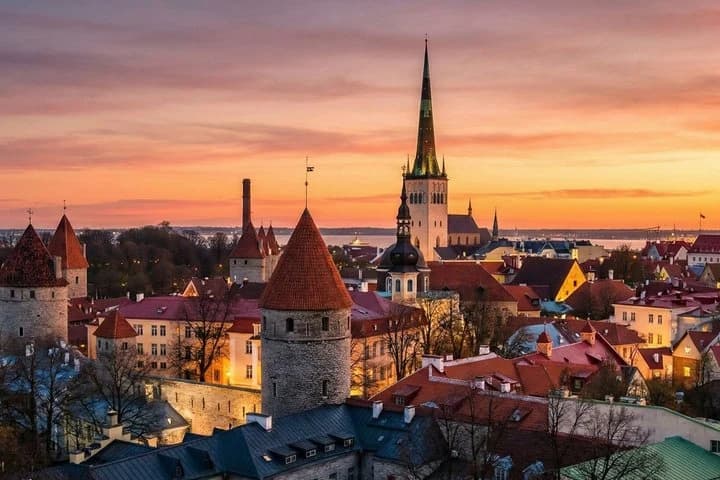
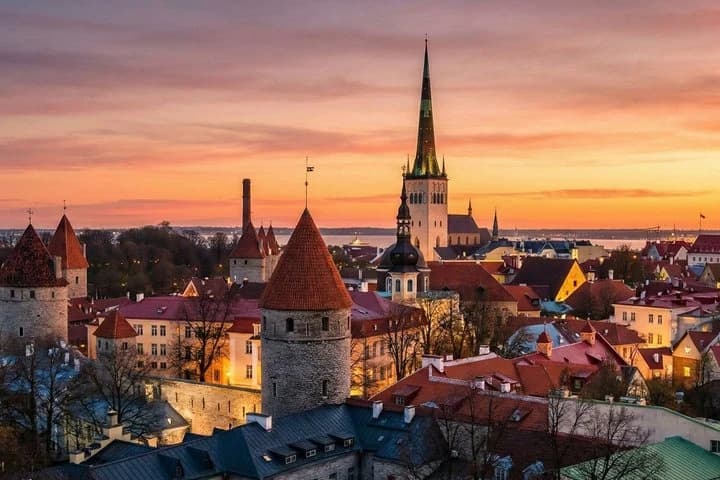
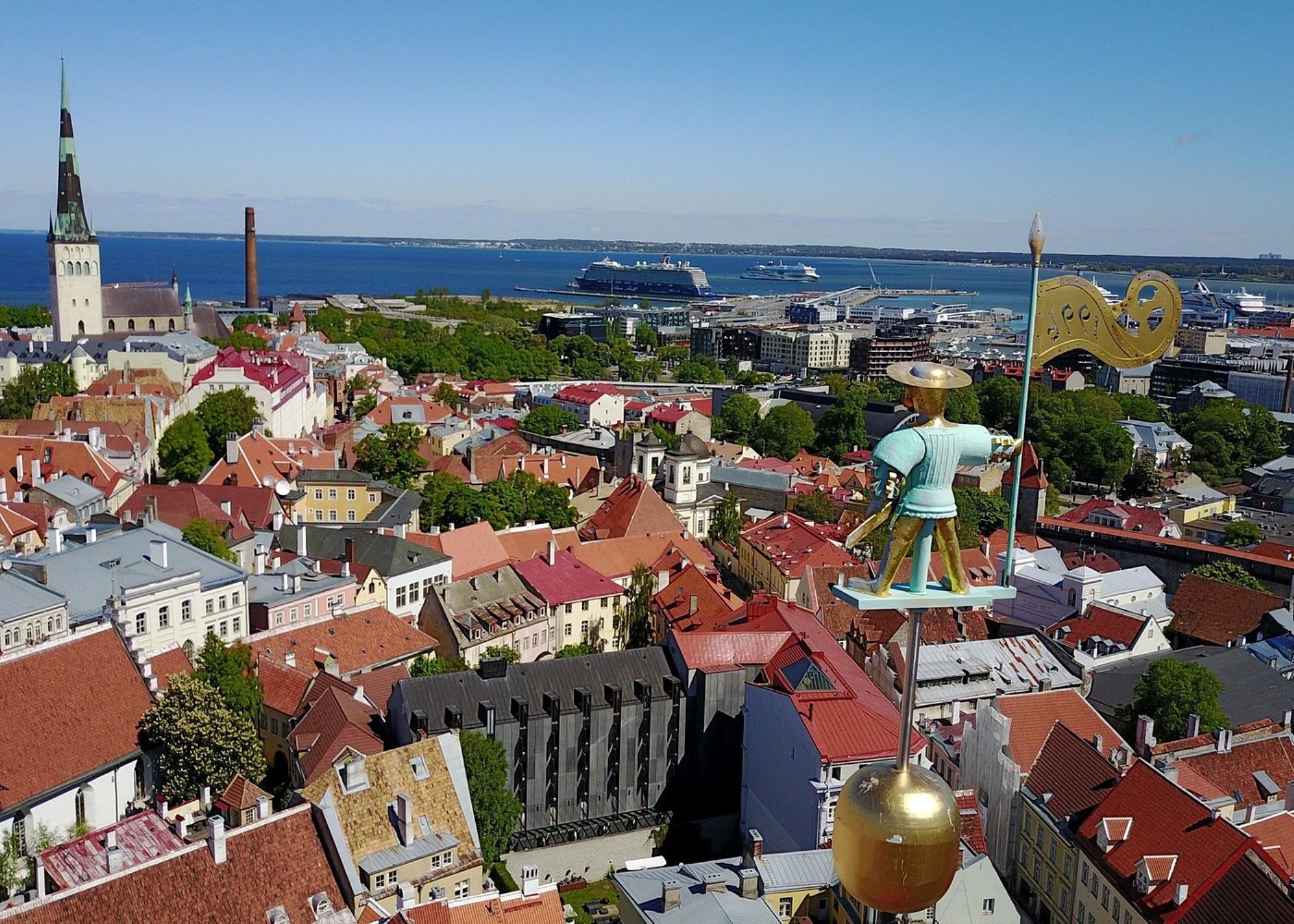
What truly distinguishes Tallinn is its elegant fusion of the past and the present. The medieval Old Town, a meticulously preserved area, invites visitors to step back in time. Landmarks like Toompea Castle, perched atop a limestone hill, and the soaring spire of St. Olaf’s Church, once the world's tallest building, recount tales of Hanseatic wealth and strategic importance. Beyond these ancient fortifications, the Kalamaja district presents a striking contrast, having evolved from a historic wooden house area into a creative hub filled with design studios, independent cafes, and lively cultural venues.
This fascinating duality extends throughout the city. The Rotermann Quarter, an architectural marvel situated between the Old Town and the port, expertly reuses former industrial buildings, blending historical facades with modern glass and steel structures to create a dynamic urban space. Estonia itself is globally recognized for its pioneering digital governance, and this innovative spirit subtly influences Tallinn's infrastructure and entrepreneurial drive. To discover more about the city's unique character and plan your explorations, you can browse available Tallinn tours.
Thoughtful Exploration and Responsible Journeys
Tallinn is exceptionally well-suited for travelers who enjoy unhurried exploration, preferring to navigate destinations on foot or using efficient public transport. Its concentrated layout means that many significant attractions are easily accessible, making it an ideal choice for slow travel enthusiasts seeking to minimize their environmental impact. Whether you are a history enthusiast captivated by centuries-old architecture or a contemporary culture seeker drawn to burgeoning art scenes and innovative eateries, Tallinn provides rich experiences. Families, too, will find engaging museums and pedestrian-friendly zones to explore safely.
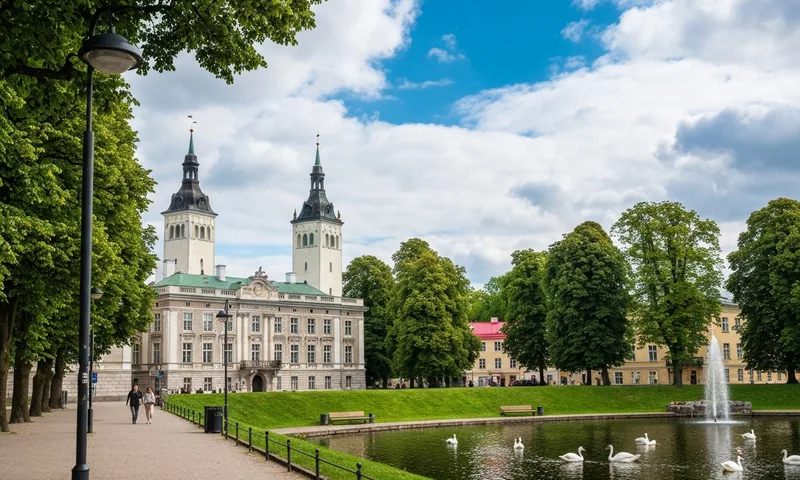
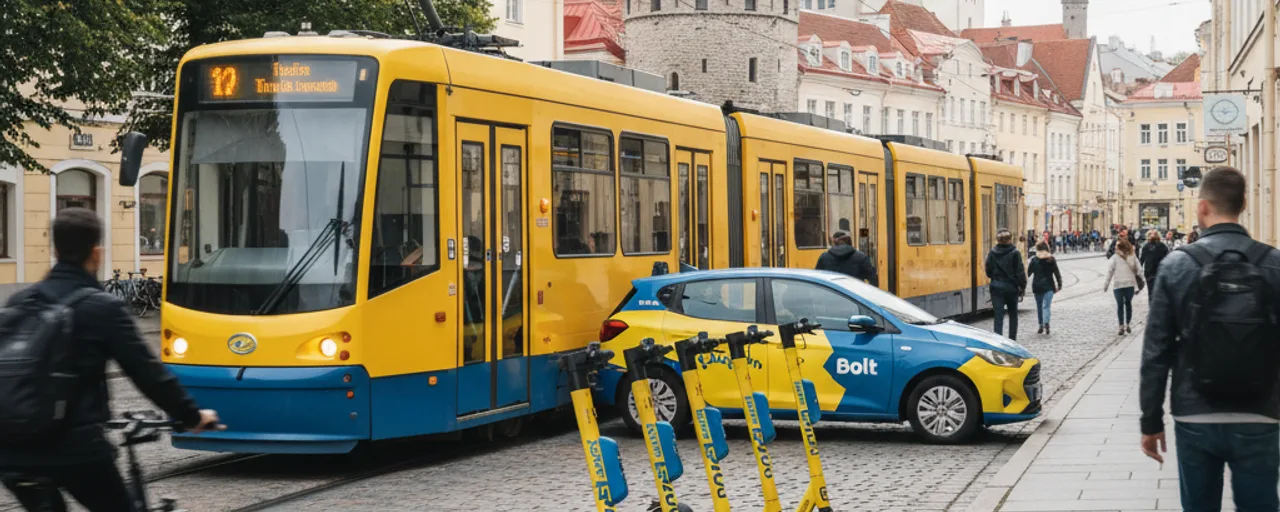
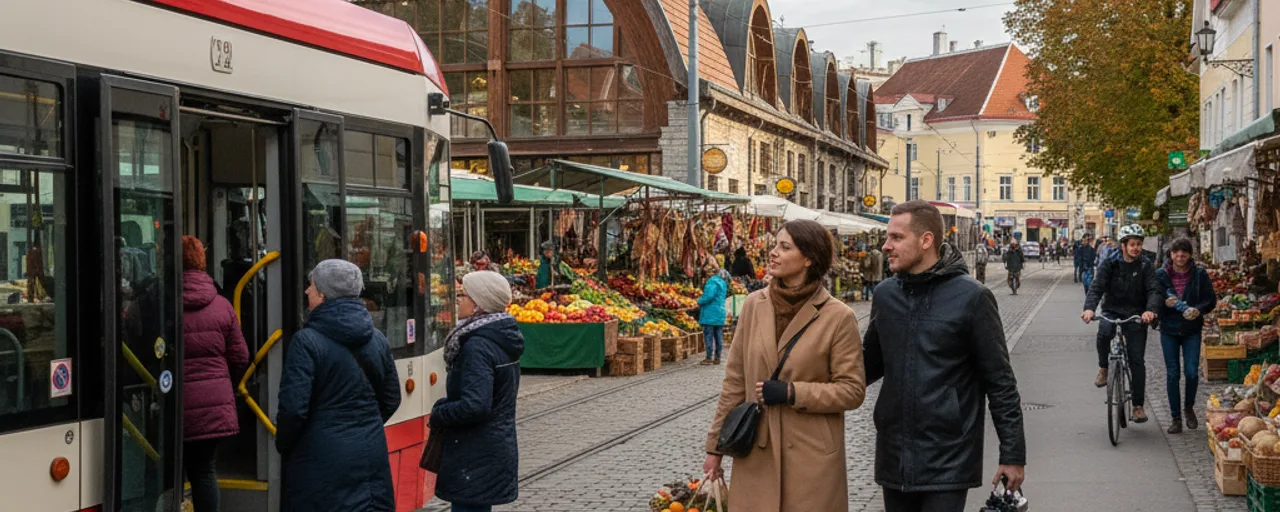
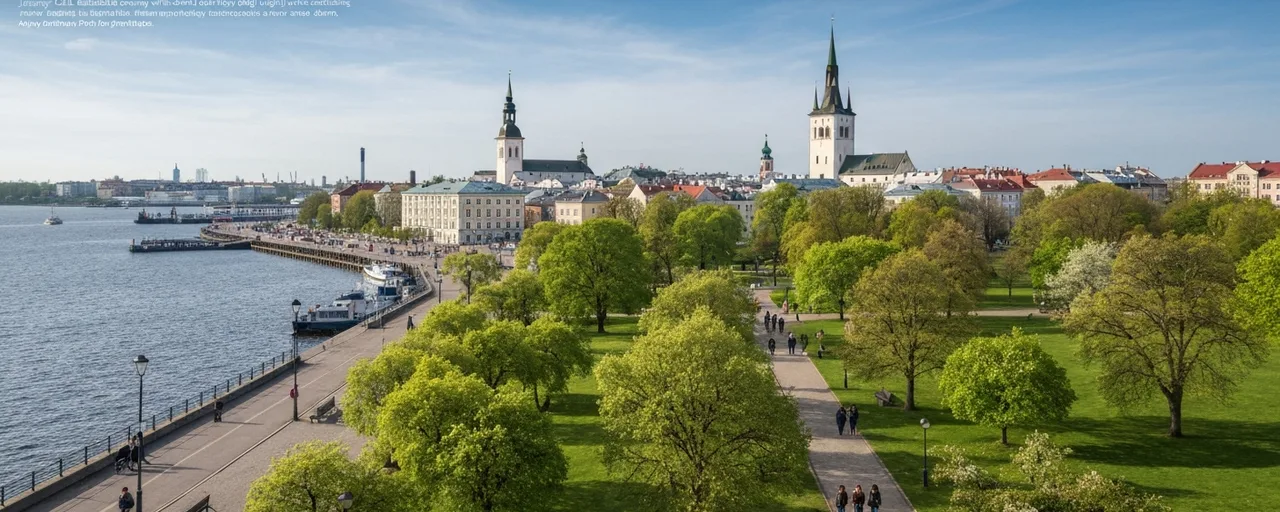
The city's commitment to Sustainable Travel is evident in its comprehensive public transport network of buses, trams, and trolleybuses, which makes getting around without a car straightforward. Furthermore, green spaces like Kadriorg Park offer peaceful retreats. Visitors can actively support this ethos by frequenting local establishments that champion ethical practices and by exploring markets like Balti Jaama Turg, where fresh, seasonal Estonian produce and artisanal goods are readily available. Learn more about Estonia's dedication to sustainability and ecotourism on the official Visit Estonia website.
This guide will delve deeper into Tallinn's unique neighborhoods, culinary delights, and practical tips, providing all you need to plan a truly enriching and responsible visit. Discover how to experience the best of Tallinn with a mindful approach.
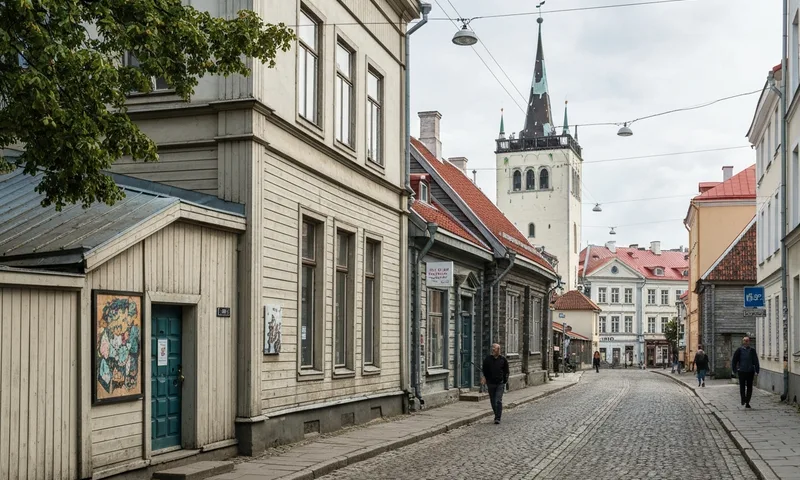 Artsy, bohemian, community-focused