Understanding Oslo's Food Scene
Oslo's food scene reflects Norway's connection to the sea and its agricultural heritage, with a modern twist. The city prioritizes fresh, high-quality ingredients, often sourced locally. When seeking out Oslo food, expect a focus on natural flavors and straightforward preparations. Dining here can range from casual cafes to establishments with tasting menus, accommodating various preferences and budgets.
Traditional Norwegian Flavors to Seek Out
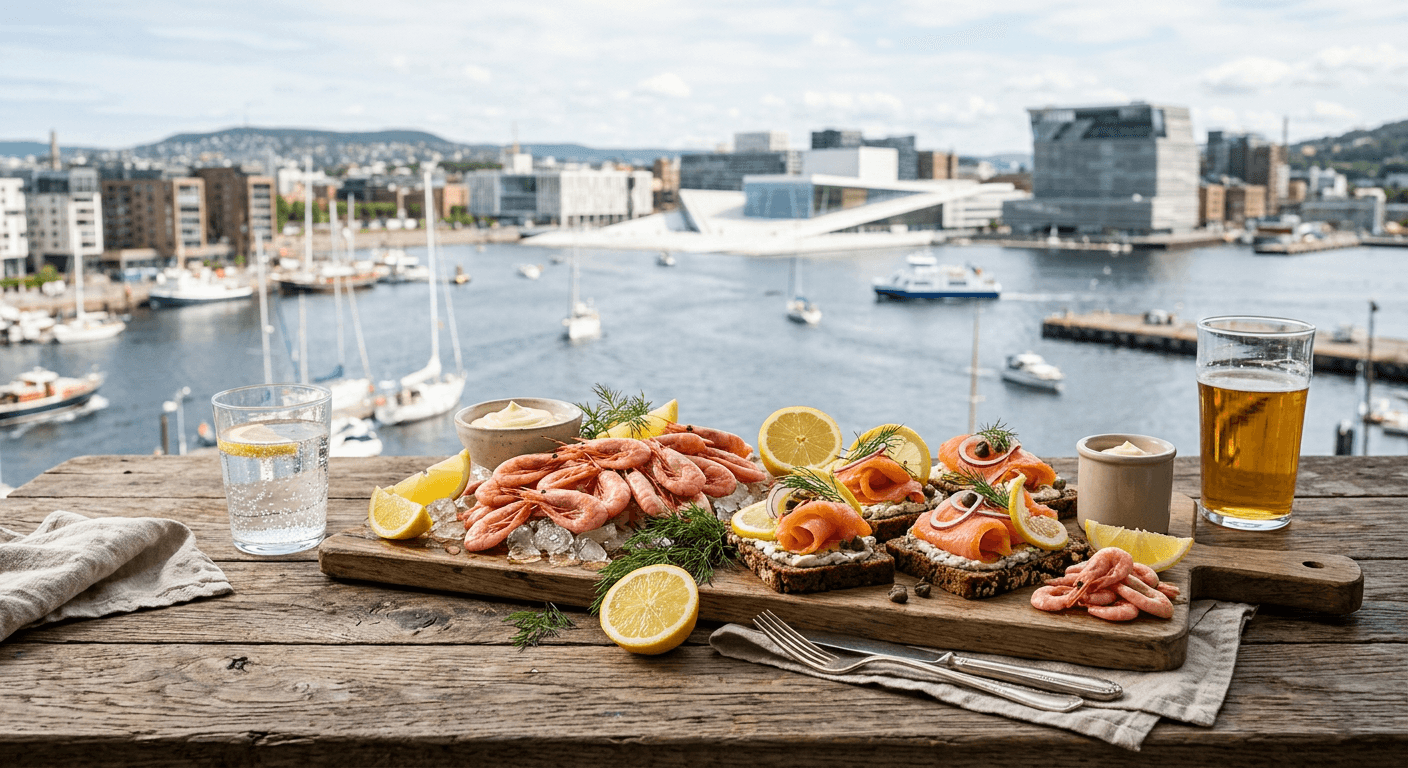
When exploring traditional food in Oslo, you will encounter dishes that often feature fish, root vegetables, and preserved meats. Fish, particularly salmon and cod, is a staple. Smoked salmon (røkt laks) or gravlax are commonly found, often served with dill, mustard sauce, or on open-faced sandwiches called smørbrød. Fresh cod (torsk) might be prepared simply, pan-fried or poached, and served with potatoes and vegetables.
Meat dishes include kjøttkaker (Norwegian meatballs), typically served with brown gravy, boiled potatoes, and stewed peas. Reindeer (rein) is another traditional option, often prepared as a stew or served as tenderloin. For something distinctively Norwegian, look for brunost, a sweet and savory brown cheese, often enjoyed on waffles or bread. These waffles (vafler) are generally heart-shaped and served with sour cream, jam, or the aforementioned brunost.
Pastries and baked goods are also prominent. Look for skolebrød, a sweet bun with custard and coconut, or skillingsboller, a cinnamon roll. These are commonly paired with coffee, an important part of Norwegian social customs.
Where to Eat in Oslo
Oslo provides various settings for dining, from informal eateries to more upscale restaurants. To find where to eat in Oslo, consider what kind of experience you are seeking.
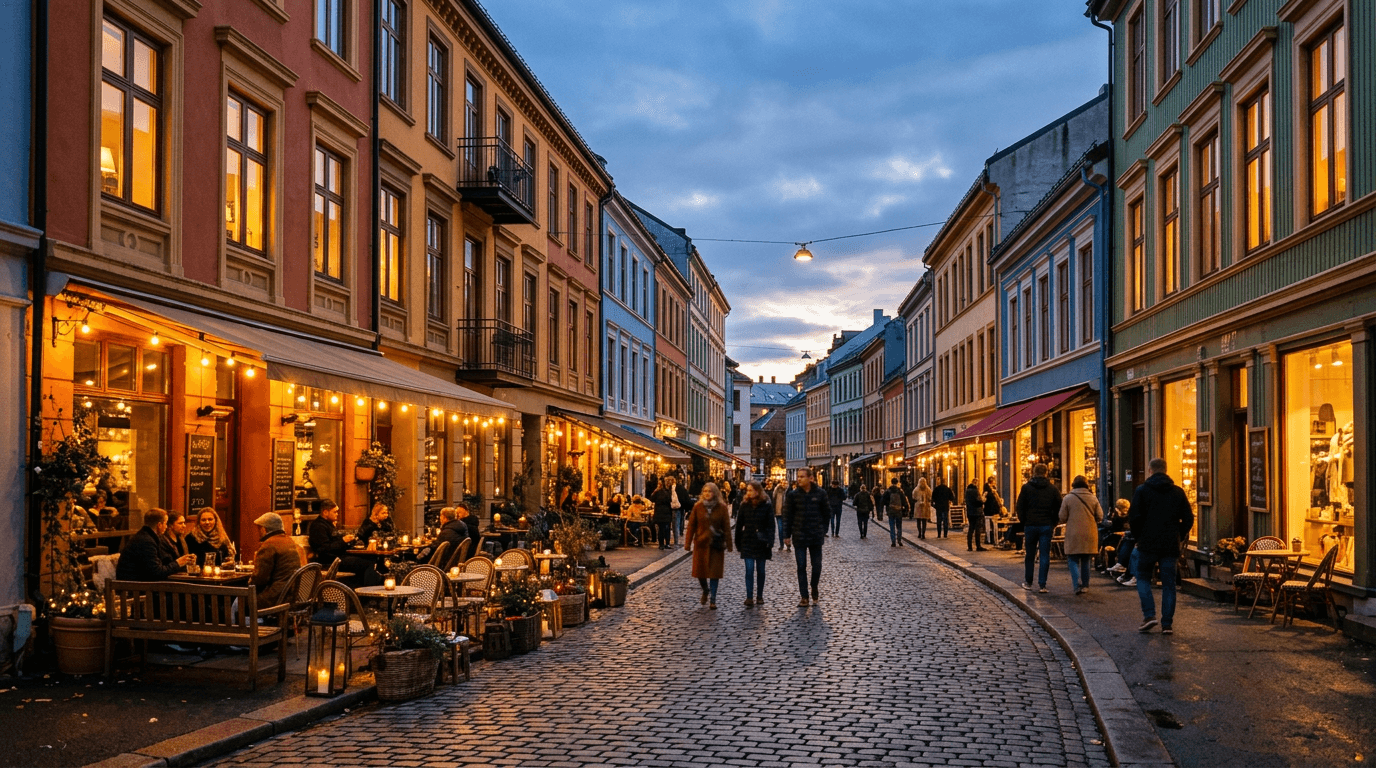
Cafes are abundant and serve as popular spots for breakfast, lunch, or a coffee break. They often offer sandwiches, salads, and a selection of pastries. These are good places for a lighter meal or to try local baked goods. For a more substantial meal, restaurants cater to different tastes, from those focusing on traditional Norwegian fare to international cuisine. Many establishments highlight seasonal ingredients, so menus can change throughout the year.
For those who prefer a casual approach, many supermarkets offer prepared meals and local delicacies, which can be a practical way to sample regional products or assemble a picnic. While dedicated food markets might not be as common for daily meals as in some other European cities, you can find specialty food shops offering high-quality ingredients.
Exploring Oslo's Drink Culture
Coffee is a significant part of daily life in Oslo, and cafes are frequented throughout the day. Norwegians often drink filter coffee, which is typically strong. Beyond coffee, traditional alcoholic beverages include aquavit, a potato-based spirit often flavored with caraway. It is commonly enjoyed with traditional meals or during celebrations. Norwegian craft beer has also gained popularity, with various breweries producing a wide range of styles available in bars and restaurants.
Oslo's tap water is safe to drink and of high quality, making it a sustainable and cost-effective option for hydration.
Self-Guided Culinary Exploration
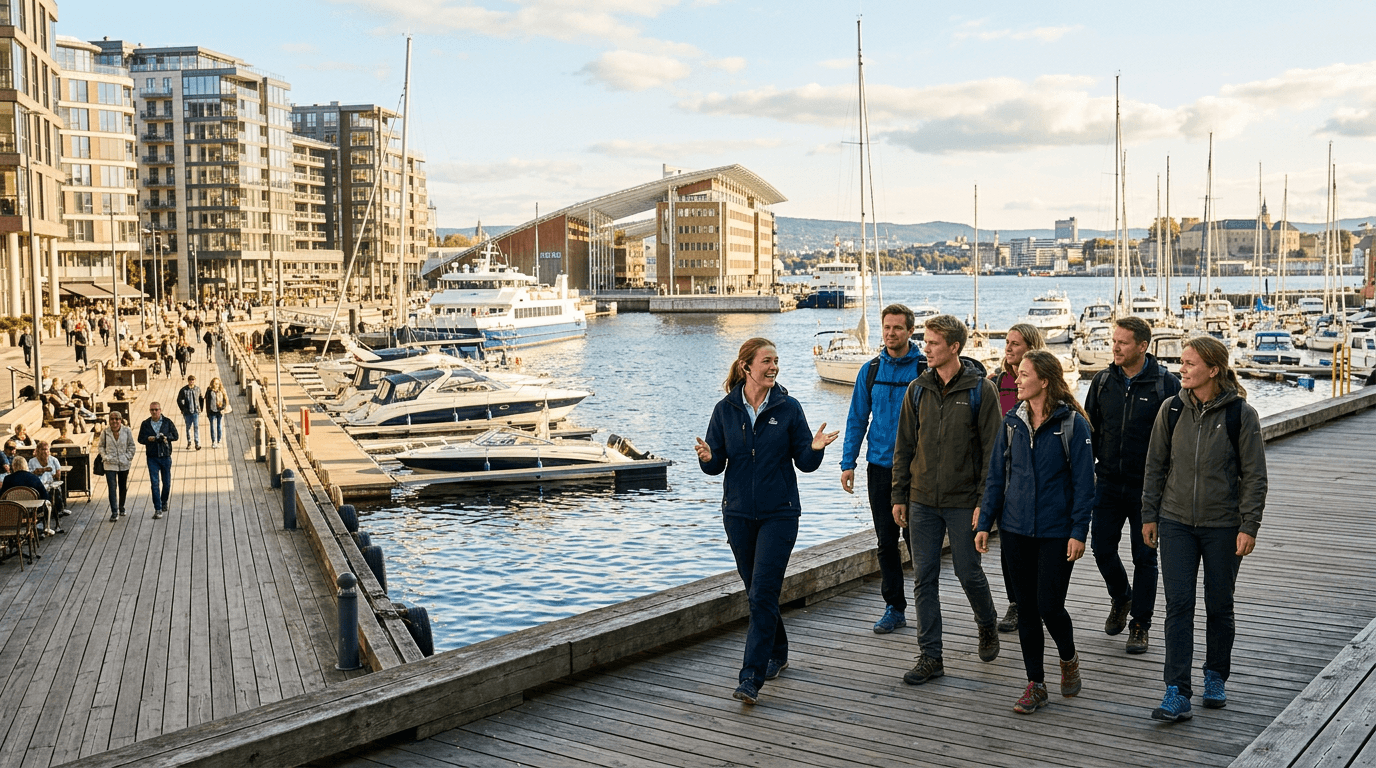
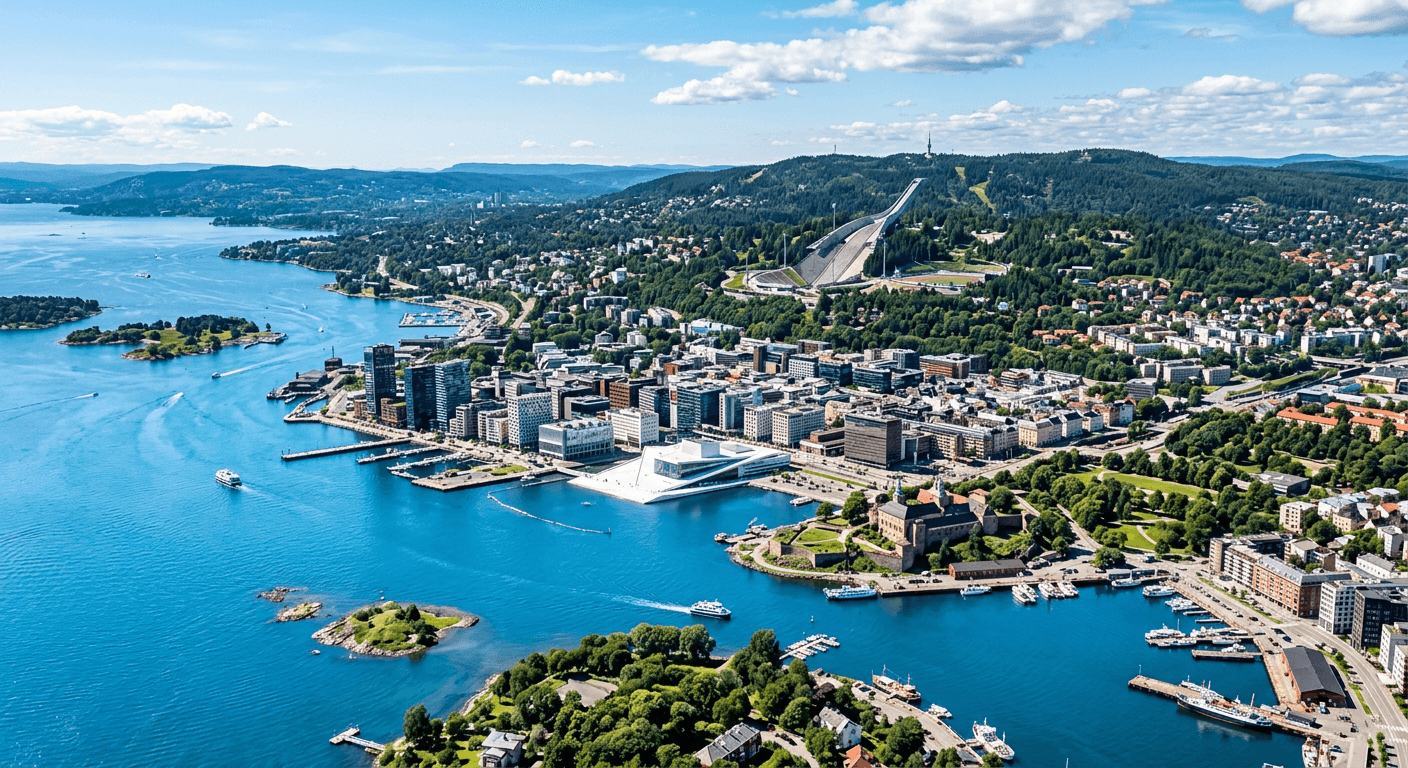
While Yovu does not currently offer dedicated Oslo food tours, exploring the city's culinary landscape on your own is straightforward. Many areas of Oslo, such as the city center and the Aker Brygge waterfront, have a concentration of restaurants and cafes. Wandering through these districts allows you to see current menus and find a dining spot that suits your preferences. Consulting a Travel guide can offer further insights into local customs and dining areas.
Consider combining your food exploration with other activities. After a meal, you might explore some of the Things to do in the city. If you're interested in fresh ingredients, a visit to a local market, if available, can provide insight into what's in season. For a broader view of the city, consider a Guided Bike Tour Oslo: Explore Norway's Capital by Bike which can provide an overview of different neighborhoods, potentially including areas known for their eateries.
Plan Your Oslo Adventure
Oslo offers more than just culinary experiences. Whether you're interested in the fjords, history, or active exploration, there are many ways to experience the city. Explore our full range of certified small-group and sustainable Tours and activities to enhance your trip.