Understanding Oslo's Layout
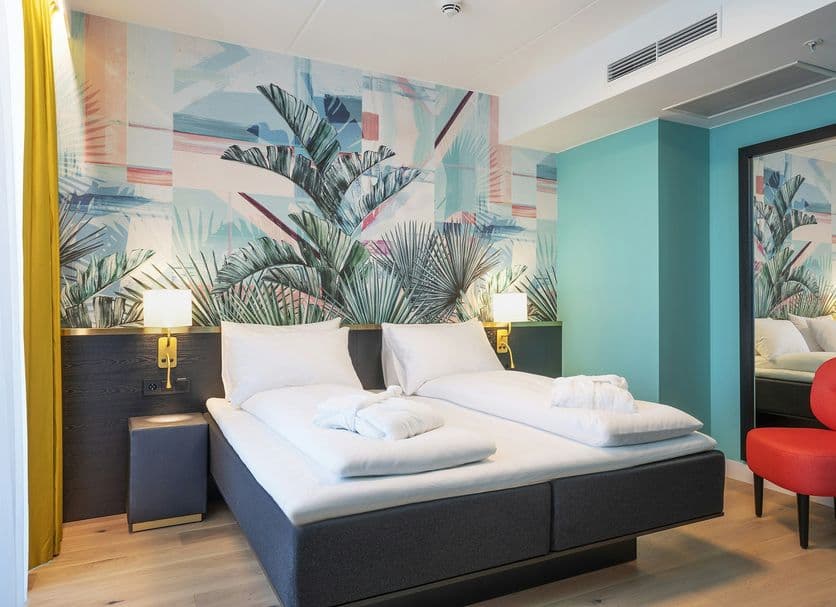
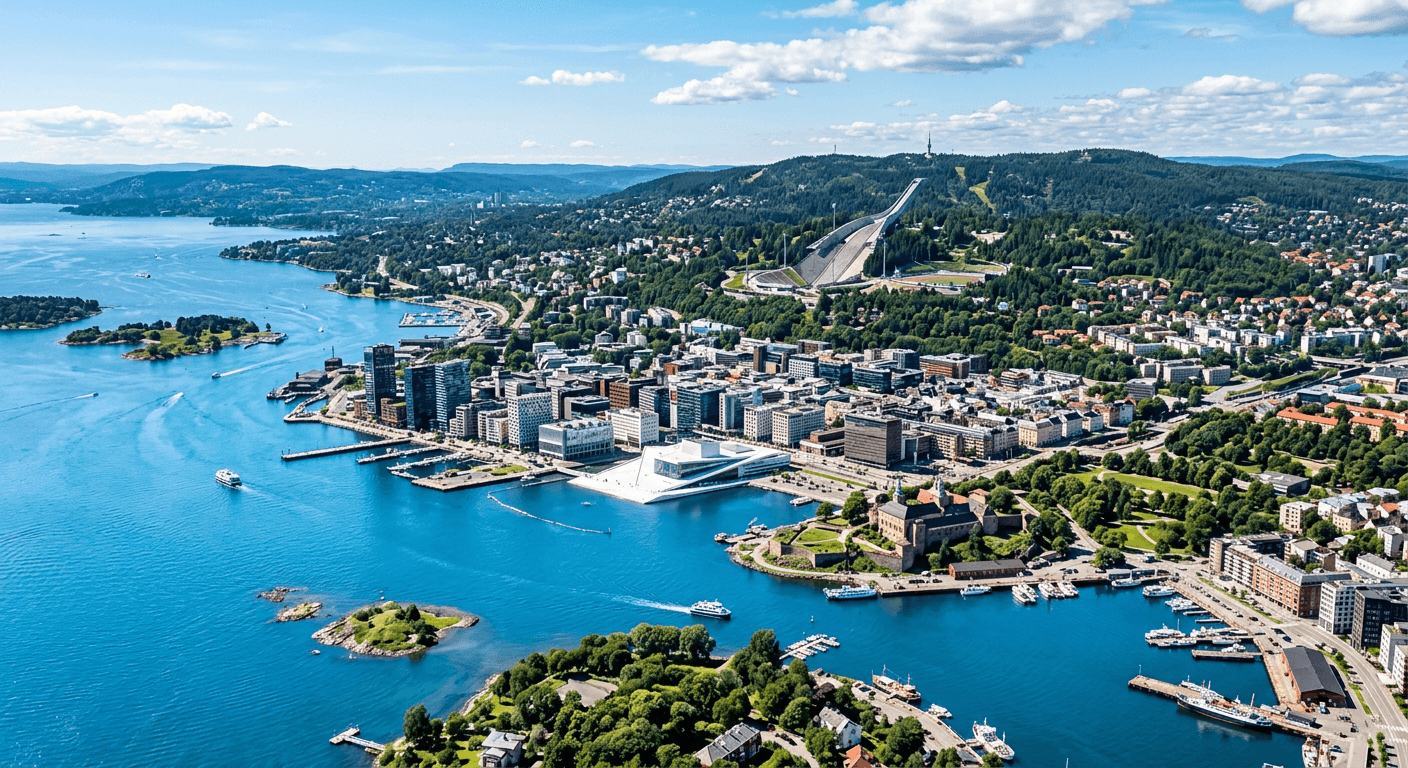
Oslo's city centre, known as Sentrum, is situated at the head of the Oslofjord. To the east, areas like Grünerløkka offer a different feel, while the west side, including Frogner, typically features more affluent residential districts and green spaces. The waterfront areas of Aker Brygge and Tjuvholmen have been extensively redeveloped, offering modern architecture and amenities. As you consider your options for oslo accommodation, think about what kind of experience you are seeking.
Sentrum (City Centre)
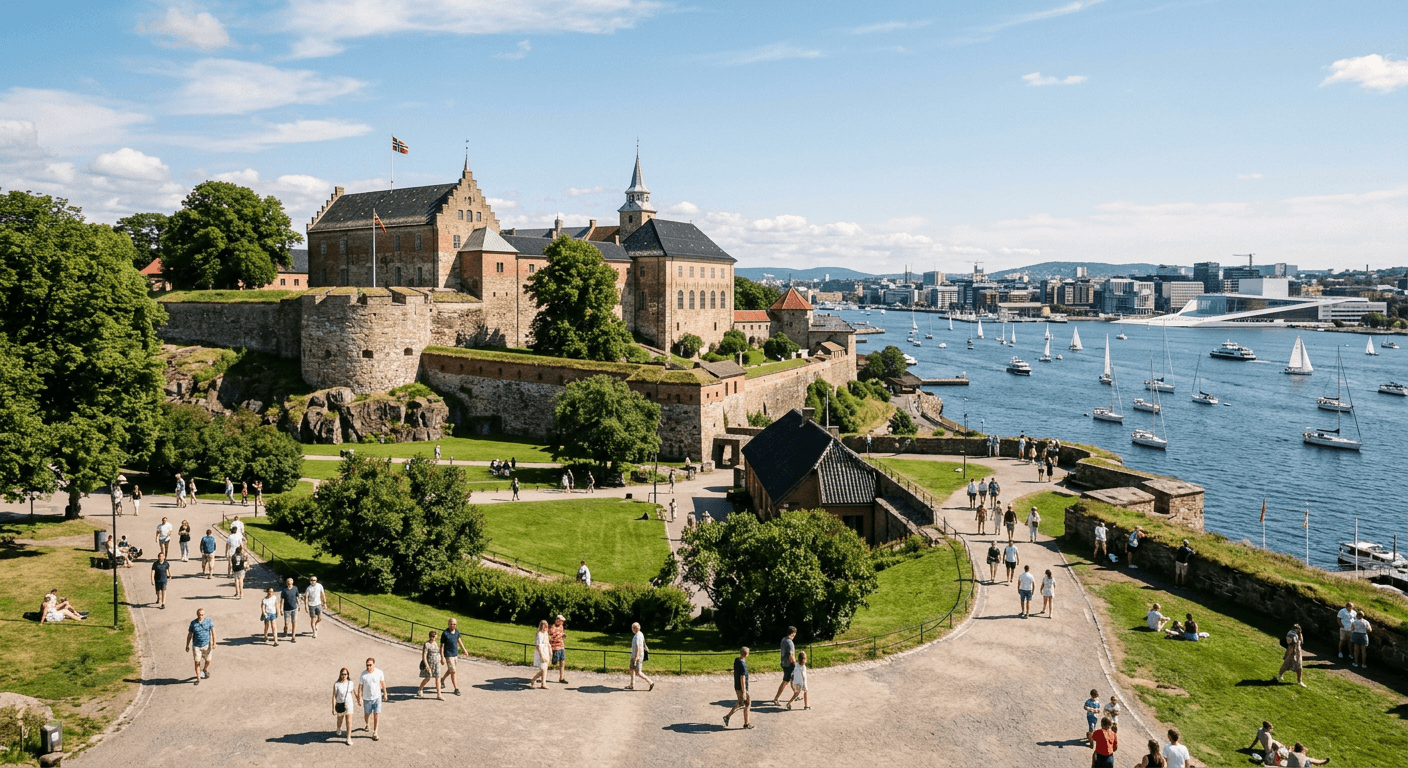
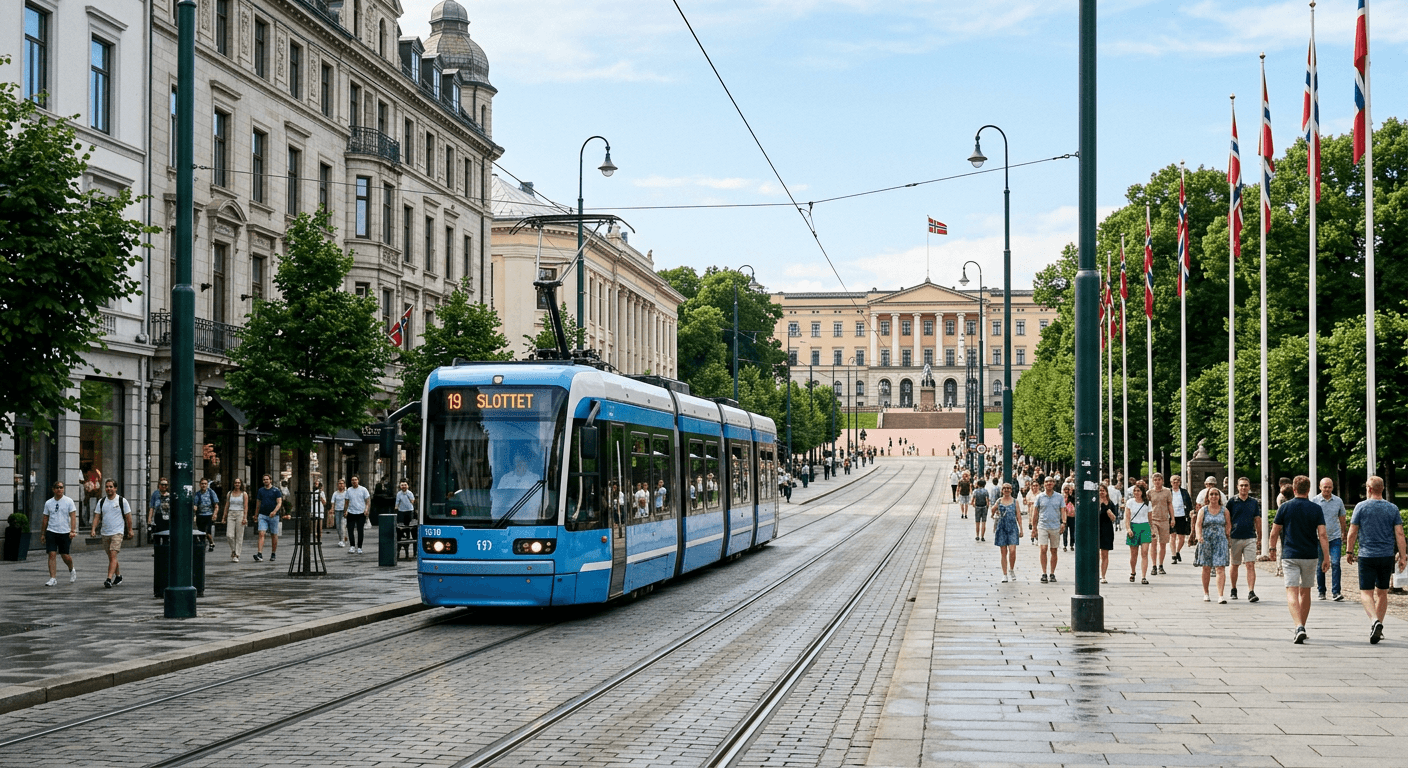
Who it suits: Sentrum is the core of Oslo and an ideal choice for first-time visitors or those with limited time. It offers immediate access to major attractions like the Royal Palace, the Parliament, the National Theatre, and Karl Johans gate, the city's main street. If your priority is seeing the main sights without extensive travel, this area is a strong contender.
Price level: Accommodation in Sentrum is generally higher-priced, reflecting its central location and convenience. You will find a range of oslo hotels here, from international chains to boutique options.
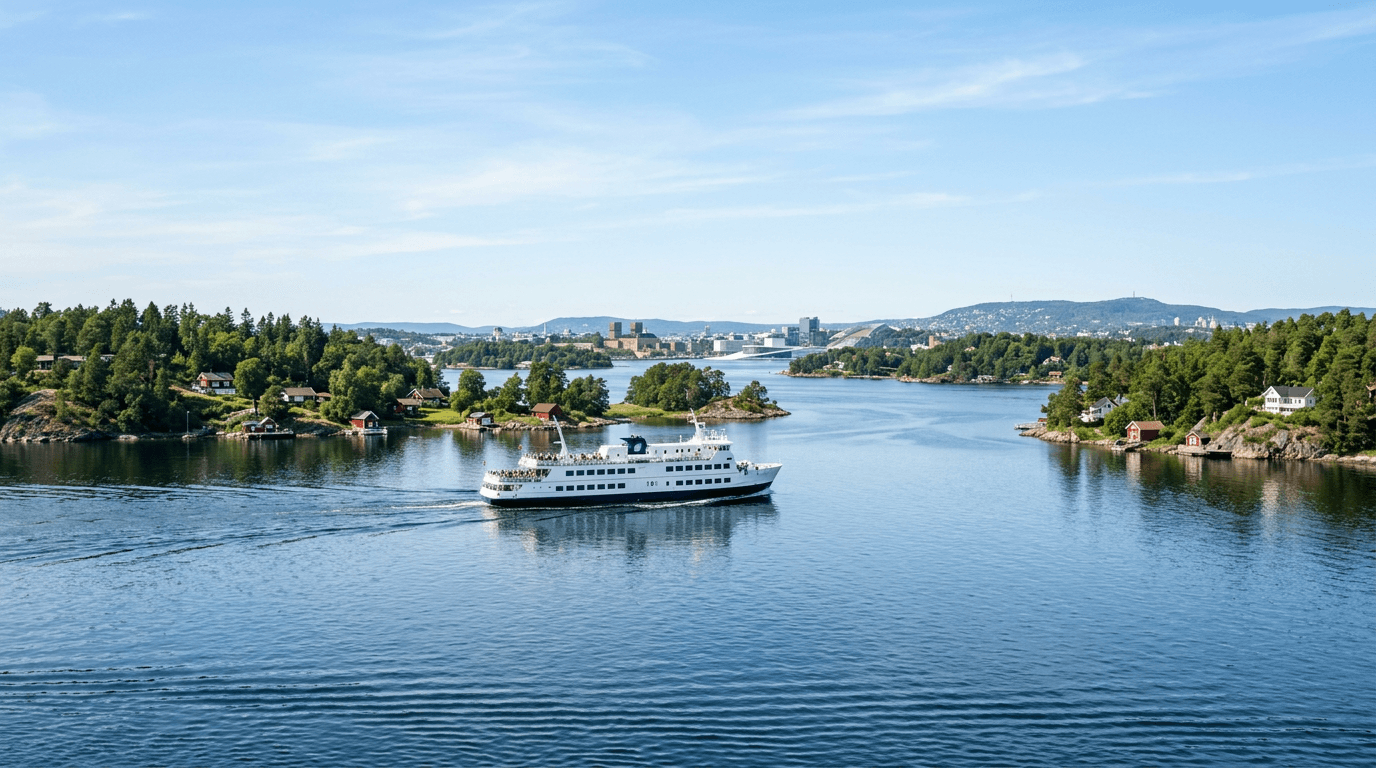
Getting around: The city centre is a major transport hub. Oslo Central Station (Oslo S) is located here, providing connections to the airport, regional trains, and all local public transport lines. Many attractions are within walking distance, and exploring further is straightforward with trams, buses, and the metro. From the harbour area, you can easily access fjord experiences like the Oslo Fjord Private Cruise: Luxury Tailored Experience or the Oslo Island Hopping Tour: Fjord & Nature Escape.
Grünerløkka
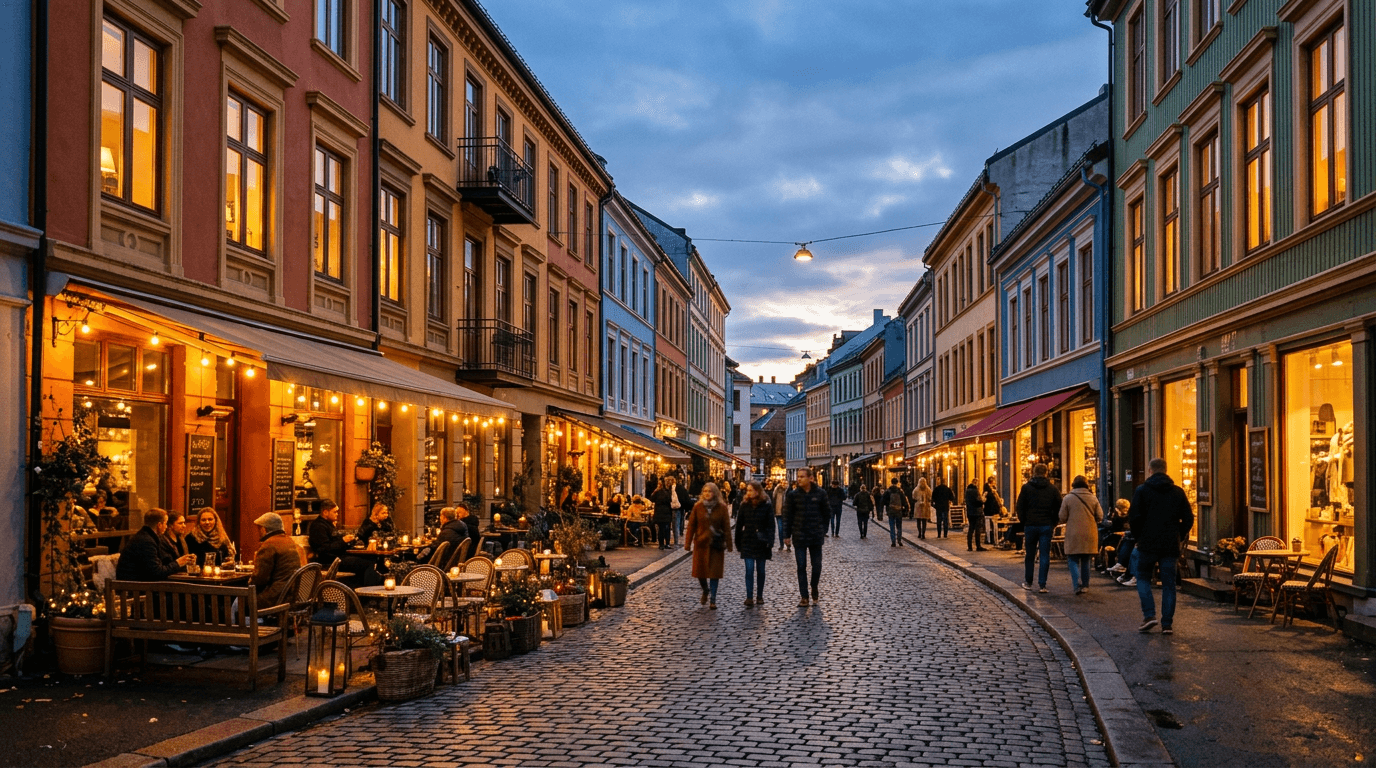
Who it suits: Located east of the Akerselva River, Grünerløkka is known for its independent shops, cafes, bars, and relaxed atmosphere. It suits travellers looking for a more local experience, artists, and those who appreciate a less tourist-focused environment. This area offers a different perspective on the city than the more formal Sentrum.
Price level: Accommodation in Grünerløkka often includes mid-range hotels and guesthouses, with options that can be more affordable than the absolute city centre, though prices are still reflective of Oslo's general cost of living.
Getting around: Grünerløkka is well-connected to Sentrum by tram and bus, usually a short ride away. The neighbourhood itself is best explored on foot, allowing you to discover its unique character. It's also a good starting point for exploring the city's cycling paths, with options like the Guided Bike Tour Oslo: Explore Norway's Capital by Bike accessible from central areas.
Frogner
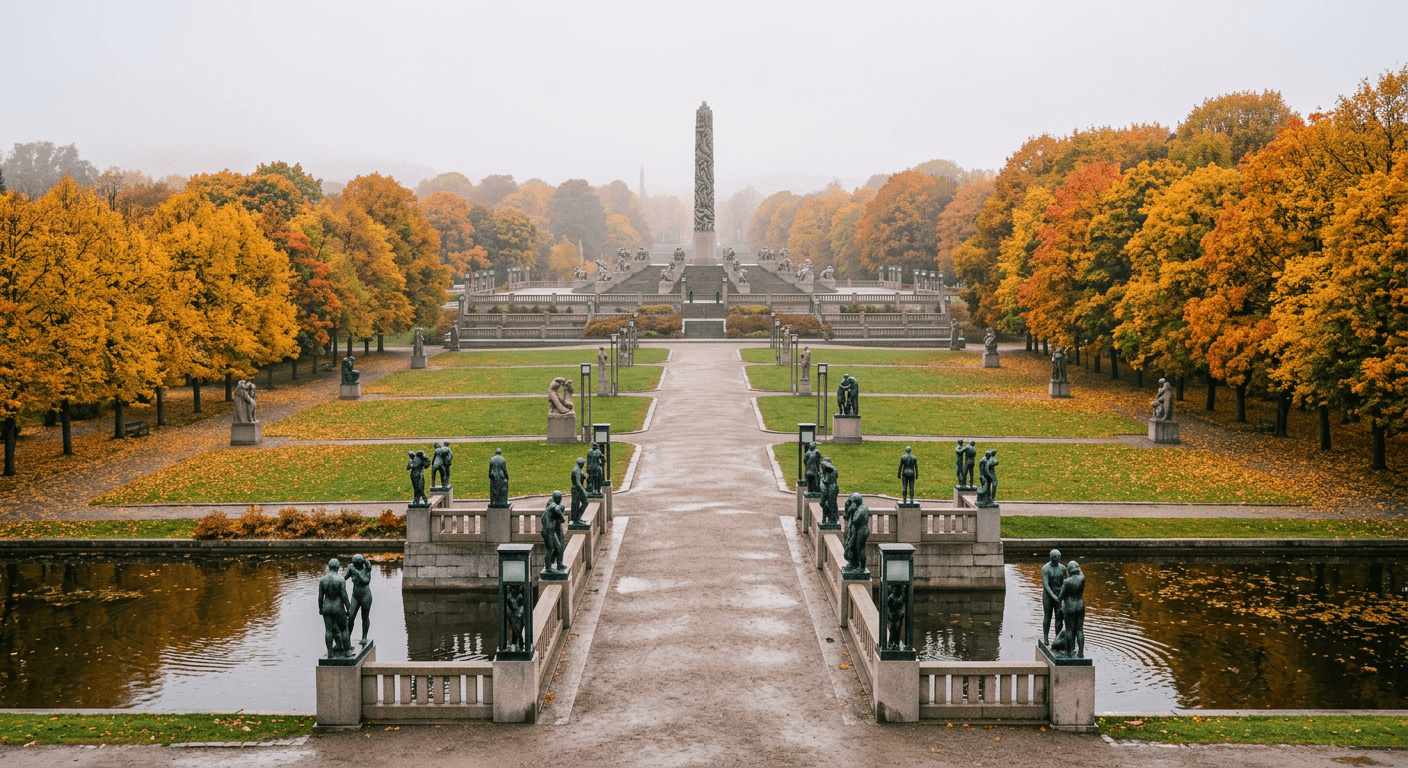
Who it suits: Situated on the city's west side, Frogner is an upscale residential area known for its elegant architecture, tree-lined streets, and large green spaces. It's home to Vigeland Park, part of the larger Frogner Park, as well as several museums. This neighbourhood is a good choice for families, couples, or anyone seeking a quieter stay with a sophisticated feel. It offers a calm retreat while remaining accessible to the city's attractions.
Price level: Frogner typically features higher-priced accommodation, including luxury hotels and apartments, reflecting its desirable location and amenities.
Getting around: Trams and buses provide direct links between Frogner and Sentrum, making it easy to reach the city centre in a short journey. The parks and local streets are pleasant for walking.
Aker Brygge and Tjuvholmen
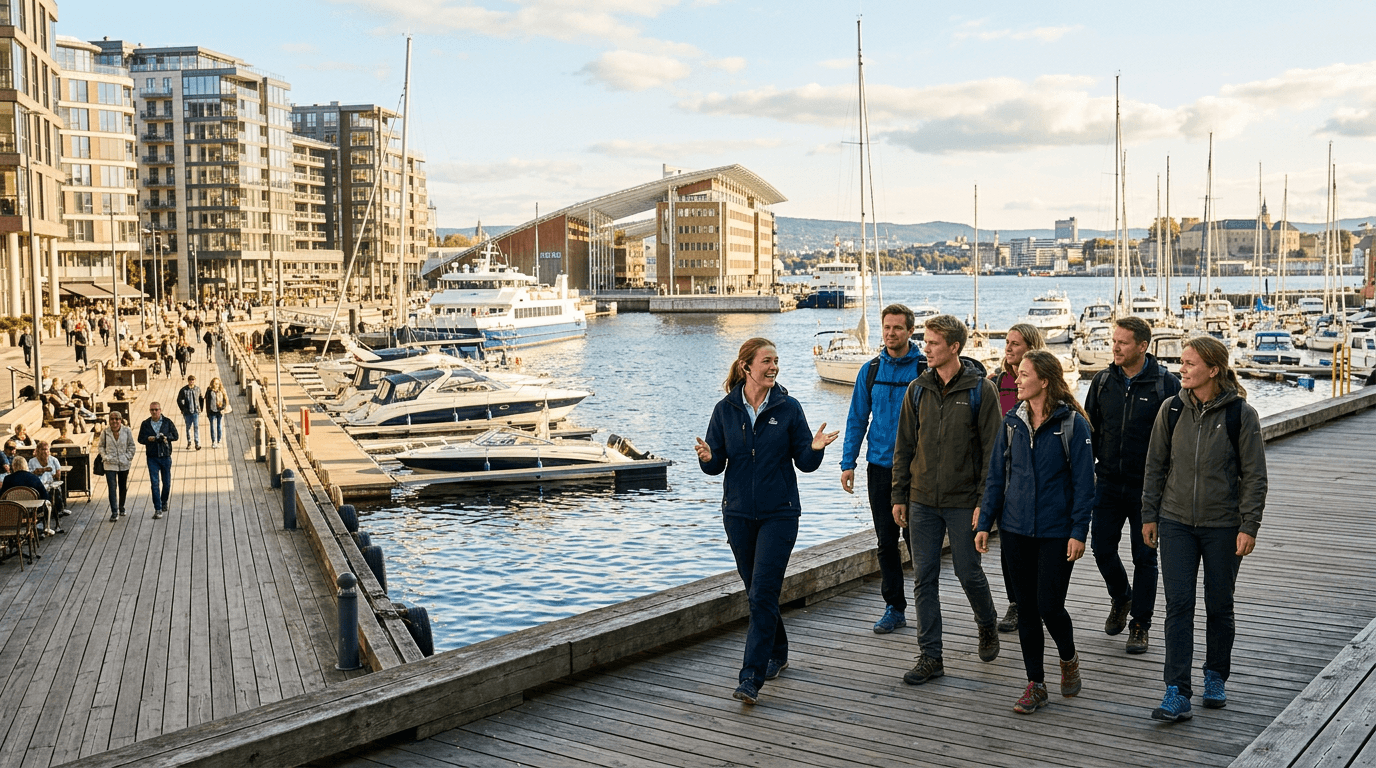
Who it suits: These adjacent waterfront areas, once a shipyard, have been transformed into modern districts with a focus on dining, shopping, and contemporary architecture. They are ideal for travellers who appreciate modern design, waterfront views, and a sophisticated urban environment. These areas are popular for an evening stroll and dinner.
Price level: Aker Brygge and Tjuvholmen offer premium accommodation, generally ranking among the highest price points for oslo hotels. Many properties here feature modern designs and views over the fjord.
Getting around: Both areas are within walking distance of Sentrum, or a short tram ride. They are also departure points for many fjord excursions, including the Oslo Island Hopping Tour: Fjord & Nature Escape, making them convenient for water-based activities. Consider these areas if you are focused on activities on the fjord and want to be close to departure points. For more ideas on what to do, see our Oslo things to do guide.
Bjørvika
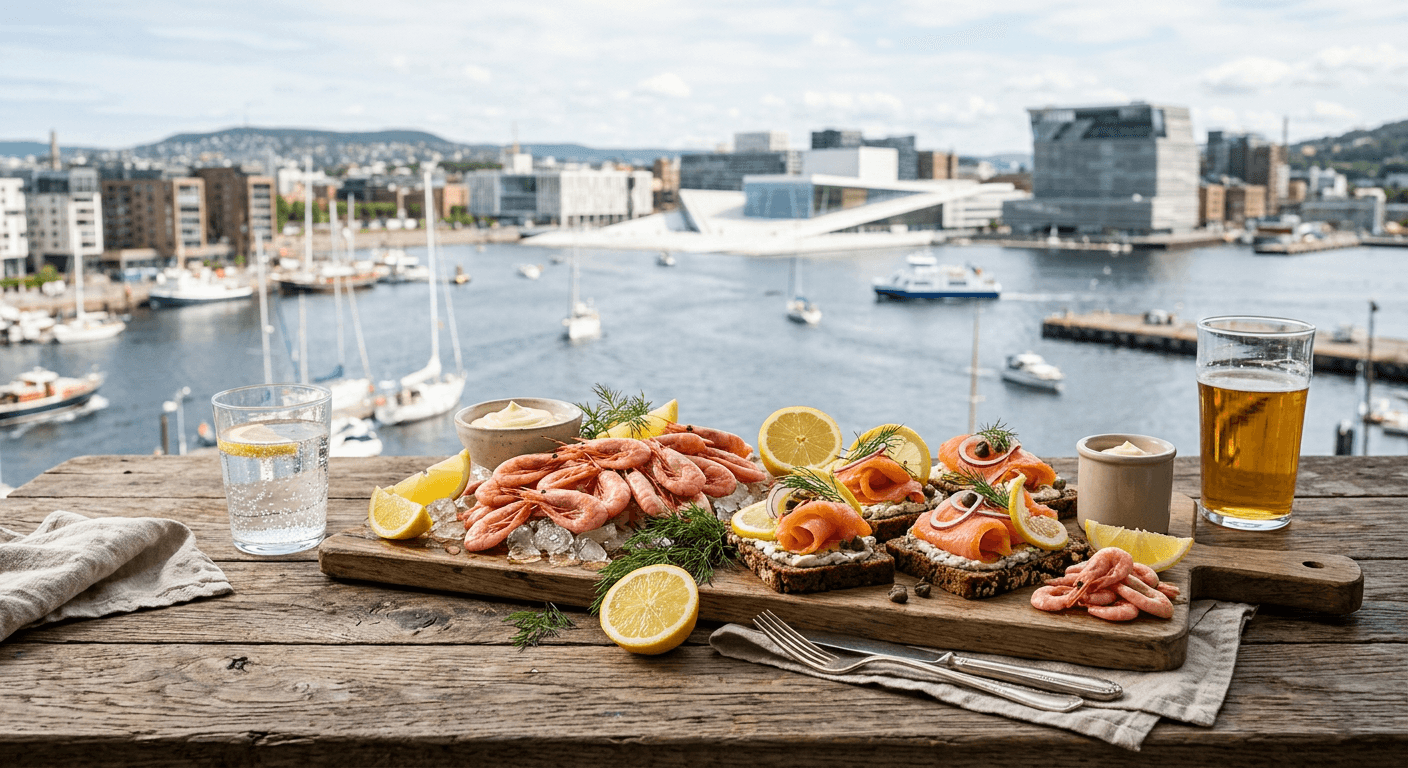
Who it suits: Bjørvika, located by the Oslofjord near Sentrum, is a rapidly developing area known for its impressive Opera House and the Munch Museum. It's a prime choice for those interested in modern architecture, culture, and a neighbourhood undergoing significant transformation. It offers a contemporary urban experience with good access to transport links.
Price level: Accommodation in Bjørvika includes a mix of newer hotels, some of which may offer competitive pricing given the area's ongoing development, alongside established options. The range can be broad, providing choices for different budgets within the generally high Oslo price structure.
Getting around: Bjørvika is very well-connected, being adjacent to Oslo Central Station. Most of the city's public transport converges here, making it one of the best areas to stay in Oslo for accessibility to all parts of the city and for exploring Norway further with day trips from Oslo. For a complete overview of the city, visit our Oslo city hub.
Choosing where to stay in Oslo depends on your travel style and budget. Each neighbourhood offers a distinct atmosphere and access to different facets of the city.