When to Visit Oslo
Deciding when to visit Oslo largely depends on your interests. The city experiences distinct seasons, each offering a different atmosphere.
Summer (June-August)
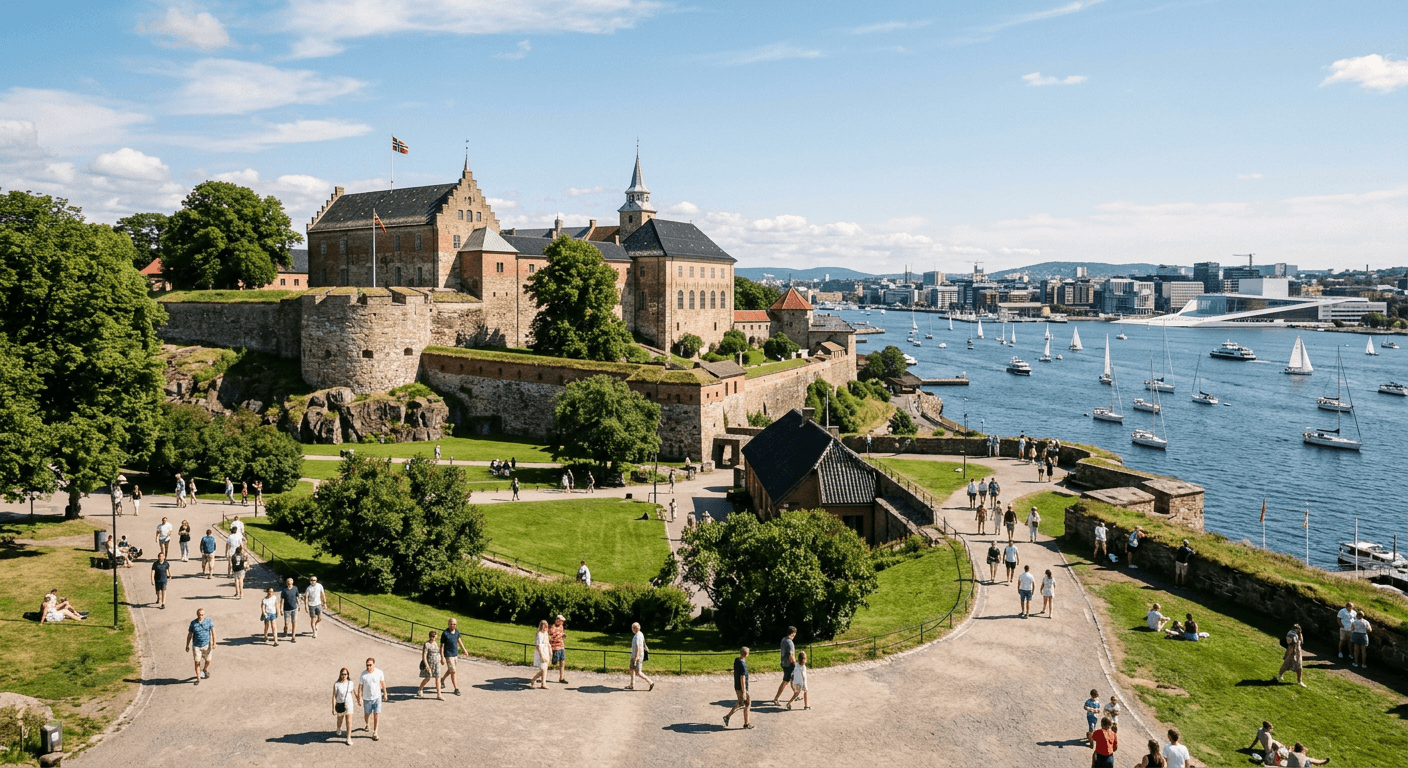
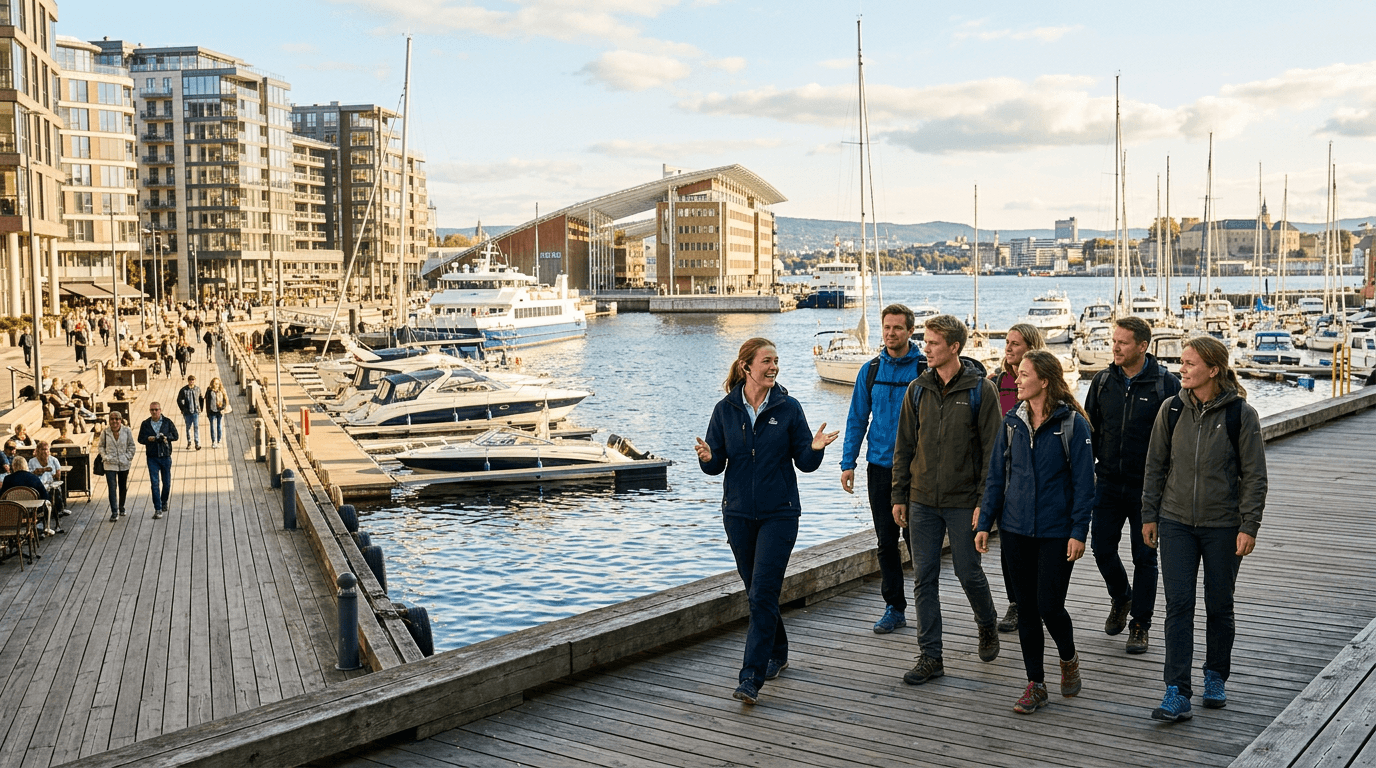
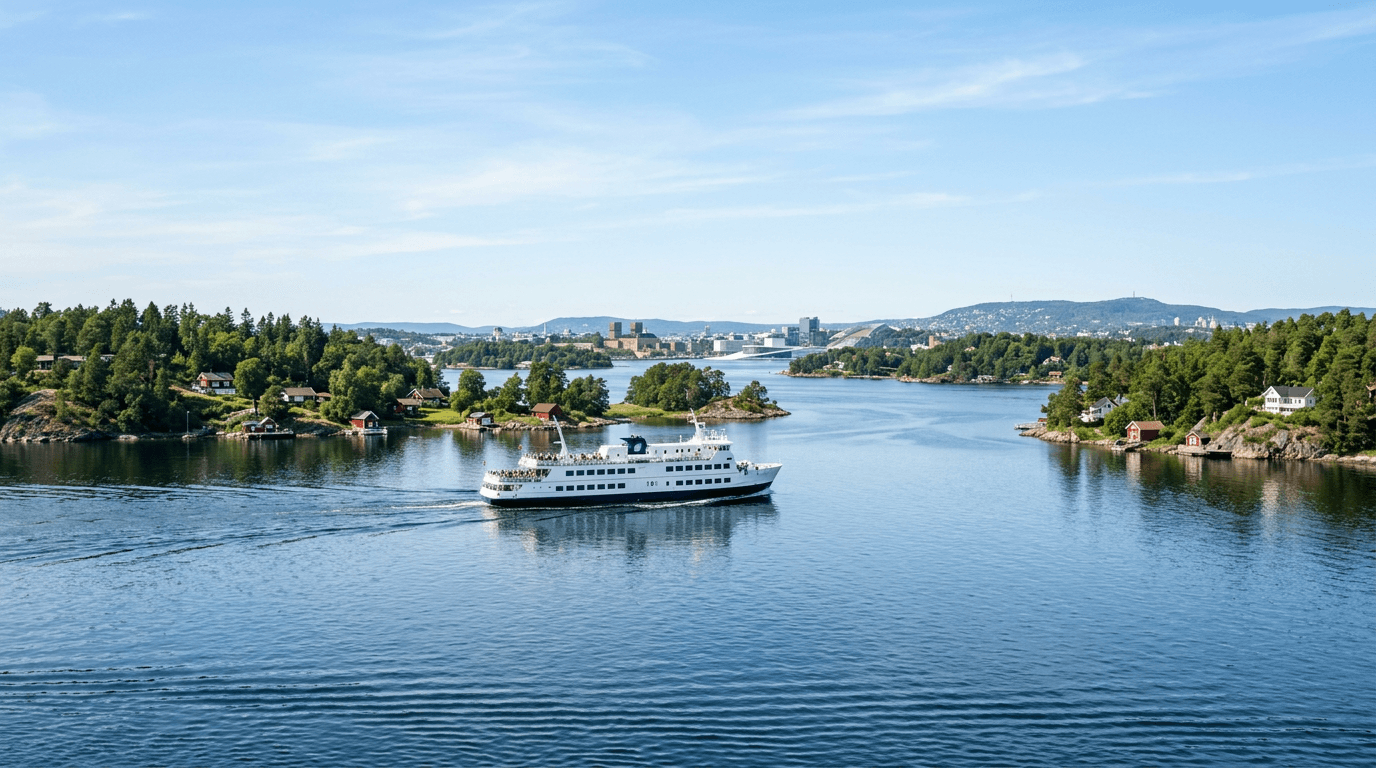
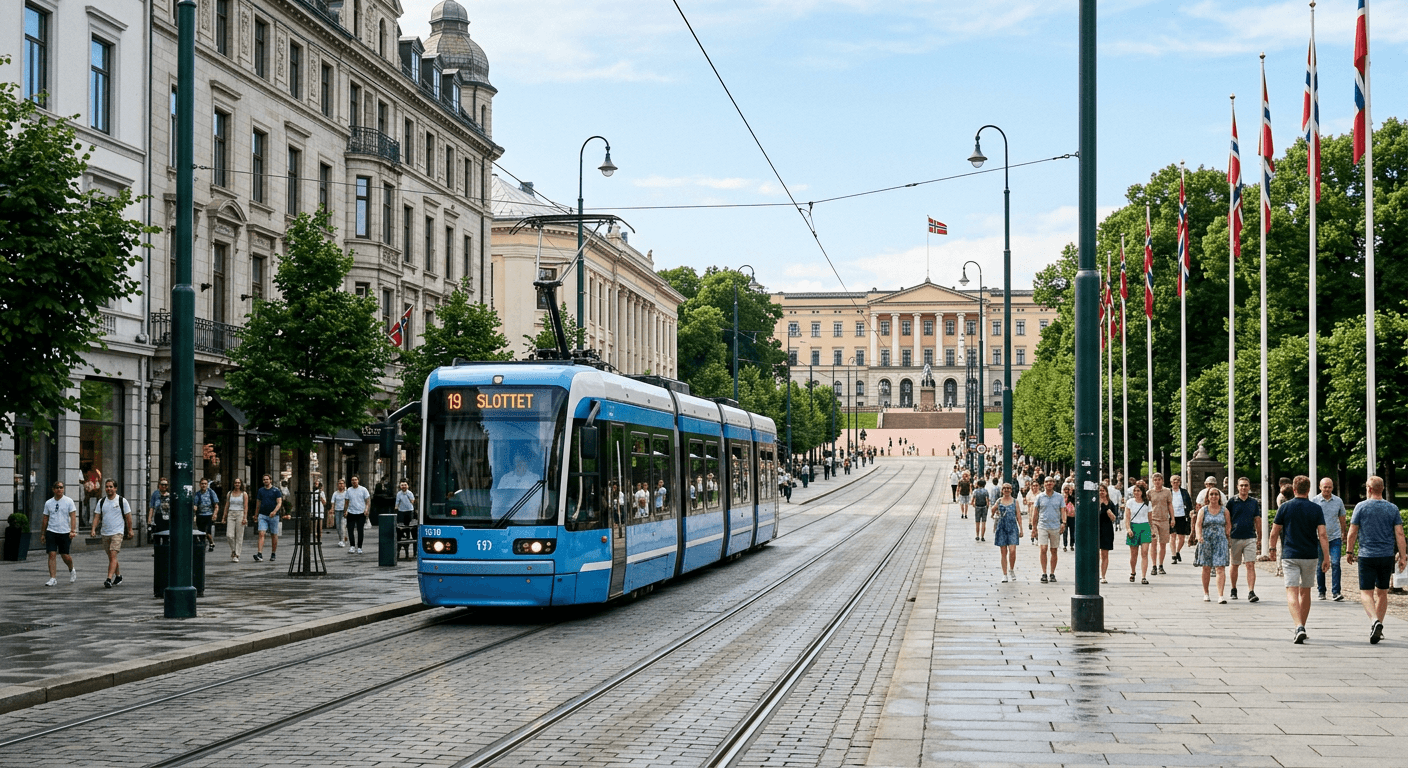
Summer is the most popular time to visit Oslo. The days are long with ample daylight, and temperatures are generally mild and pleasant, making it ideal for exploring outdoors. This is the perfect season for fjord activities like the Oslo Fjord Private Cruise: Luxury Tailored Experience or the Oslo Island Hopping Tour: Fjord & Nature Escape. You can also enjoy cycling with a Guided Bike Tour Oslo: Explore Norway's Capital by Bike. However, summer also brings more tourists and higher prices for accommodation and some activities.
Winter (December-March)
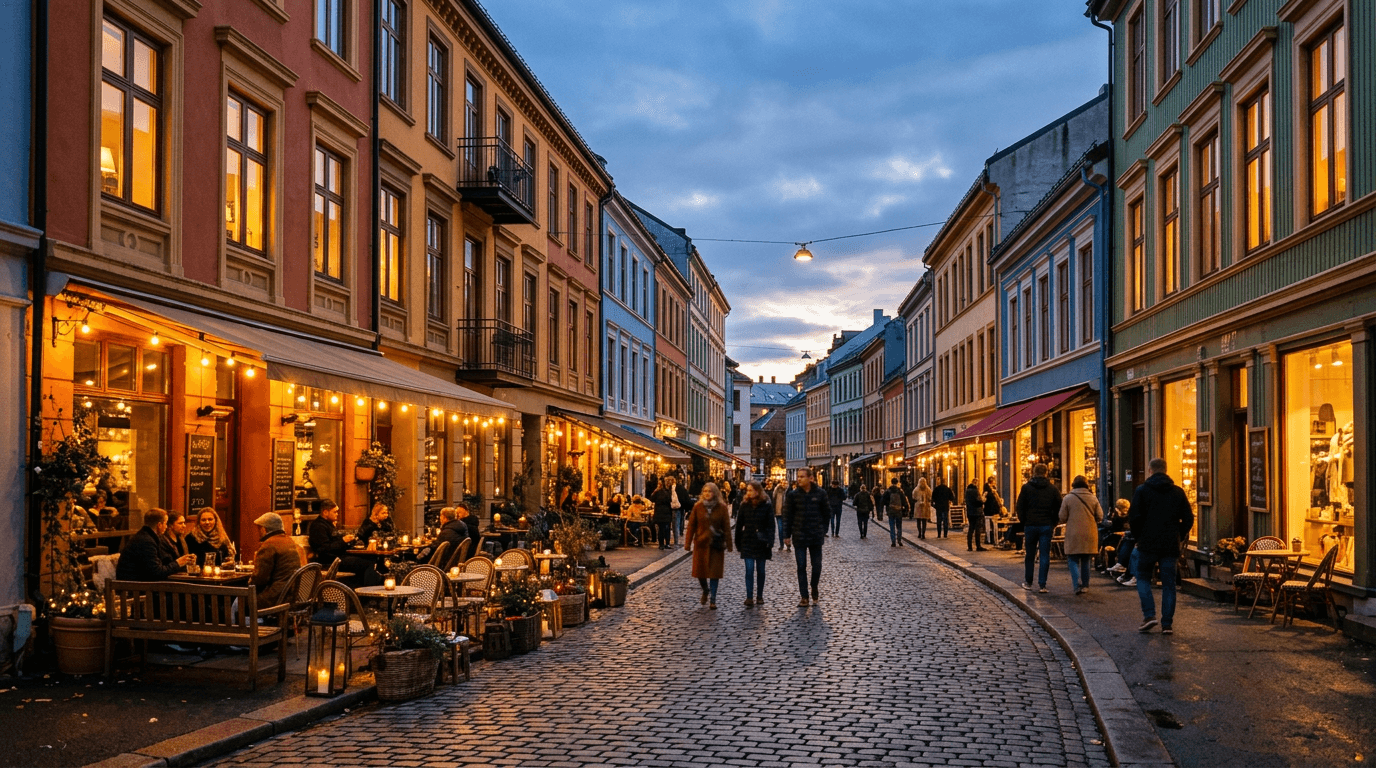
Oslo in winter transforms into a snowy landscape. While daylight hours are short, the city lights create a warm ambiance. Winter sports enthusiasts will appreciate the opportunities for skiing and snowshoeing, such as the Thrilling Oslo Guided Snowshoe Tour: Scenic Winter Fun. If you don't mind the cold and darker days, winter can offer a unique and quieter experience. Be prepared for cold temperatures and potential snow.
Shoulder Seasons (April-May & September-November)
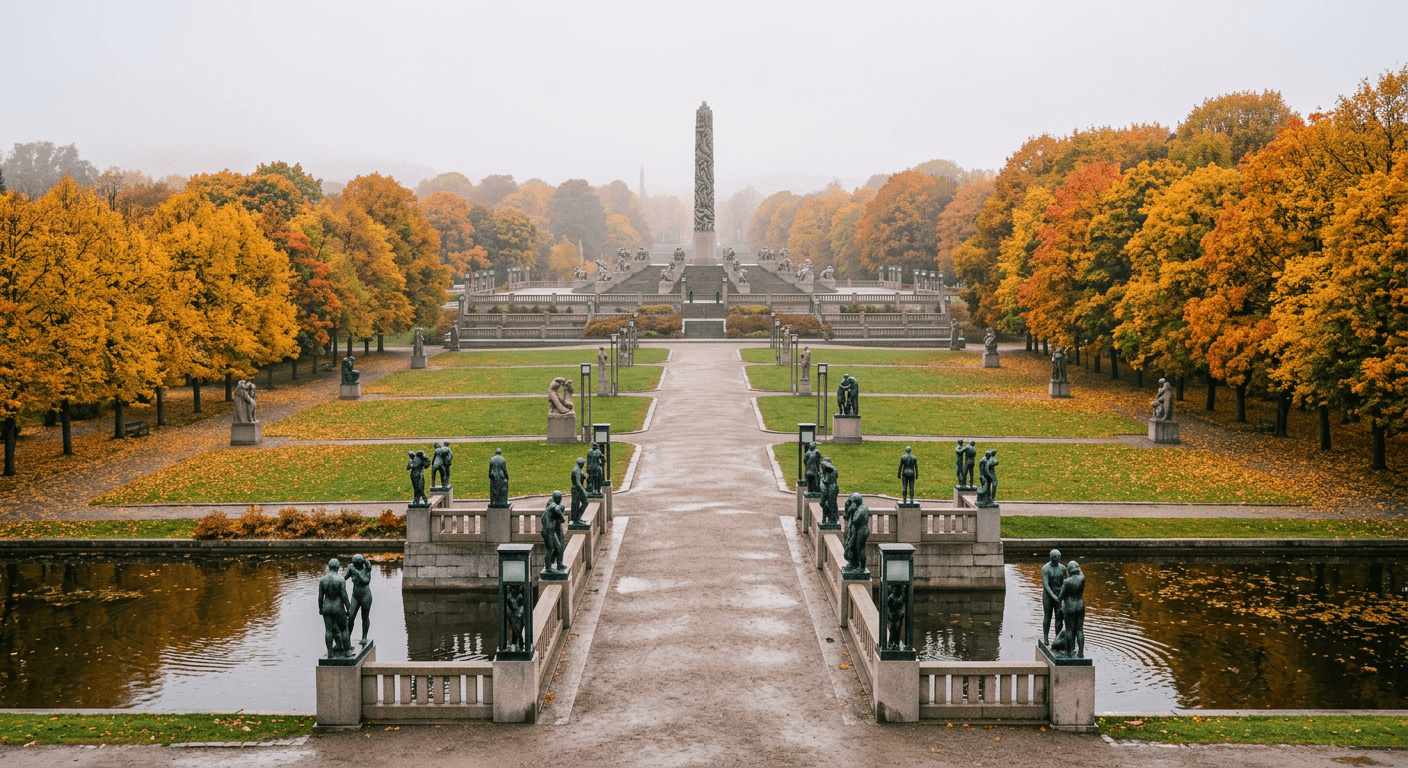
Spring and autumn offer a balance of fewer crowds and moderate weather. In spring, the city's parks begin to bloom, and the longer days are welcoming. Autumn brings vibrant foliage and crisp air. These seasons can be a good option for travelers seeking a quieter experience while still enjoying comfortable conditions for sightseeing. The weather can be unpredictable, so packing layers is advisable.
How Many Days to Spend in Oslo
To truly experience what Oslo has to offer, we recommend spending 3 to 5 days. This allows enough time to visit key museums, explore different neighborhoods, enjoy some outdoor activities, and perhaps take a short trip into the surrounding nature. A shorter trip of 2 days might cover the city center's main highlights, but will feel rushed. If you plan to delve deeper into specific interests like art, history, or outdoor adventures, or if you wish to explore beyond the city center with Day trips, allocate at least 5 days or more. This comprehensive oslo travel guide aims to help you plan efficiently.
Money, Language, and Local Customs
Currency and Costs
The local currency in Oslo is the Norwegian Krone (NOK). Norway is known for being an expensive country, and Oslo is no exception. Be prepared for higher prices for accommodation, dining out, and transportation compared to many other European cities. Credit and debit cards are widely accepted, and Norway is largely a cashless society. It's common to pay for even small purchases with a card, so carrying a lot of cash is not necessary.
Language
Norwegian is the official language. However, English is widely spoken by most Norwegians, especially younger generations and those working in tourism and service industries. You should have no trouble communicating in English in hotels, restaurants, shops, and when booking tours. Learning a few basic Norwegian phrases like "hei" (hello) and "takk" (thank you) is always appreciated by locals.
Local Customs
Norwegians are generally reserved and polite. Punctuality is valued, so if you have appointments or tour bookings, aim to be on time. Personal space is also respected, so avoid standing too close to others. Tipping is not mandatory as service charges are usually included, but rounding up the bill or leaving a small tip for exceptional service is appreciated. Norwegians value nature and outdoor activities, so respect for the environment is important.
Safety and Practical Travel Tips
Oslo is a generally safe city with a low crime rate. However, like any major city, it's wise to be aware of your surroundings, especially in crowded areas or late at night. Petty crime, such as pickpocketing, can occur in tourist hotspots or on public transport, so keep an eye on your belongings. For specific guidance on getting around, check our dedicated page on Getting around.
Here are some Oslo travel tips to enhance your experience:
* Stay Hydrated: Tap water in Oslo is safe and excellent to drink. Carry a reusable water bottle. * Dress in Layers: The weather in Oslo can change quickly, regardless of the season. Dressing in layers allows you to adapt to temperature fluctuations. * Oslo Pass: Consider purchasing an Oslo Pass if you plan on visiting many museums and using public transport extensively. It can offer good value and covers entry to many attractions and unlimited travel on public transport. * Embrace the Outdoors: Oslo is surrounded by nature. Even if you're not booking a specific tour, take time to walk through parks like Frogner Park or explore the forests just outside the city center.
Is Oslo worth visiting? Absolutely. Its blend of urban culture, rich history, and immediate access to nature offers a diverse and rewarding travel experience for any visitor.
Experience Oslo with Yovu Tours
Ready to explore Oslo with verified, small-group and sustainable tours? From serene fjord cruises to active snowshoe adventures, Yovu offers unique ways to see Norway's capital. Find your perfect experience and book today. Browse all available Tours and activities.