
What Makes Reykjavik Worth Visiting?
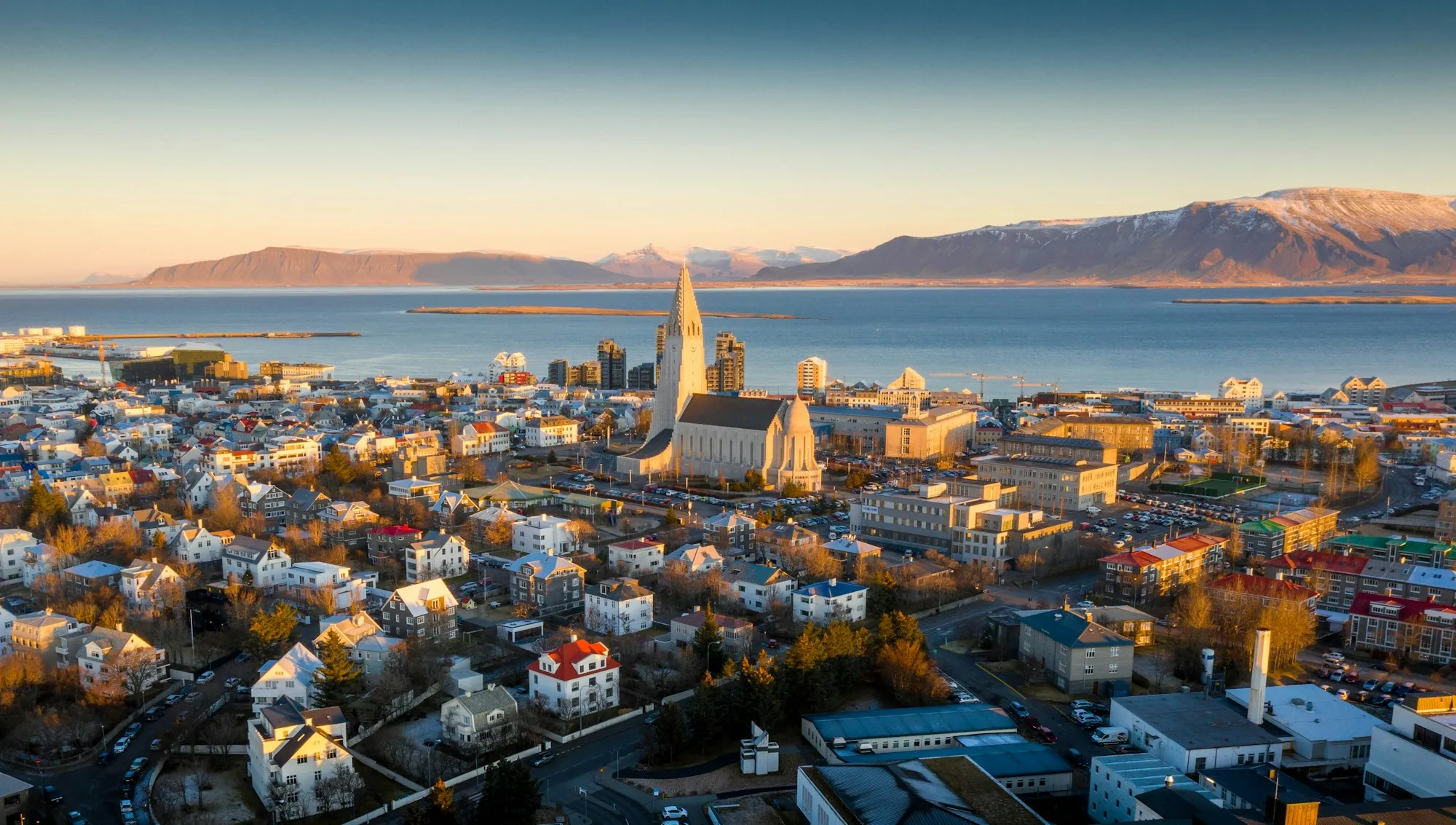
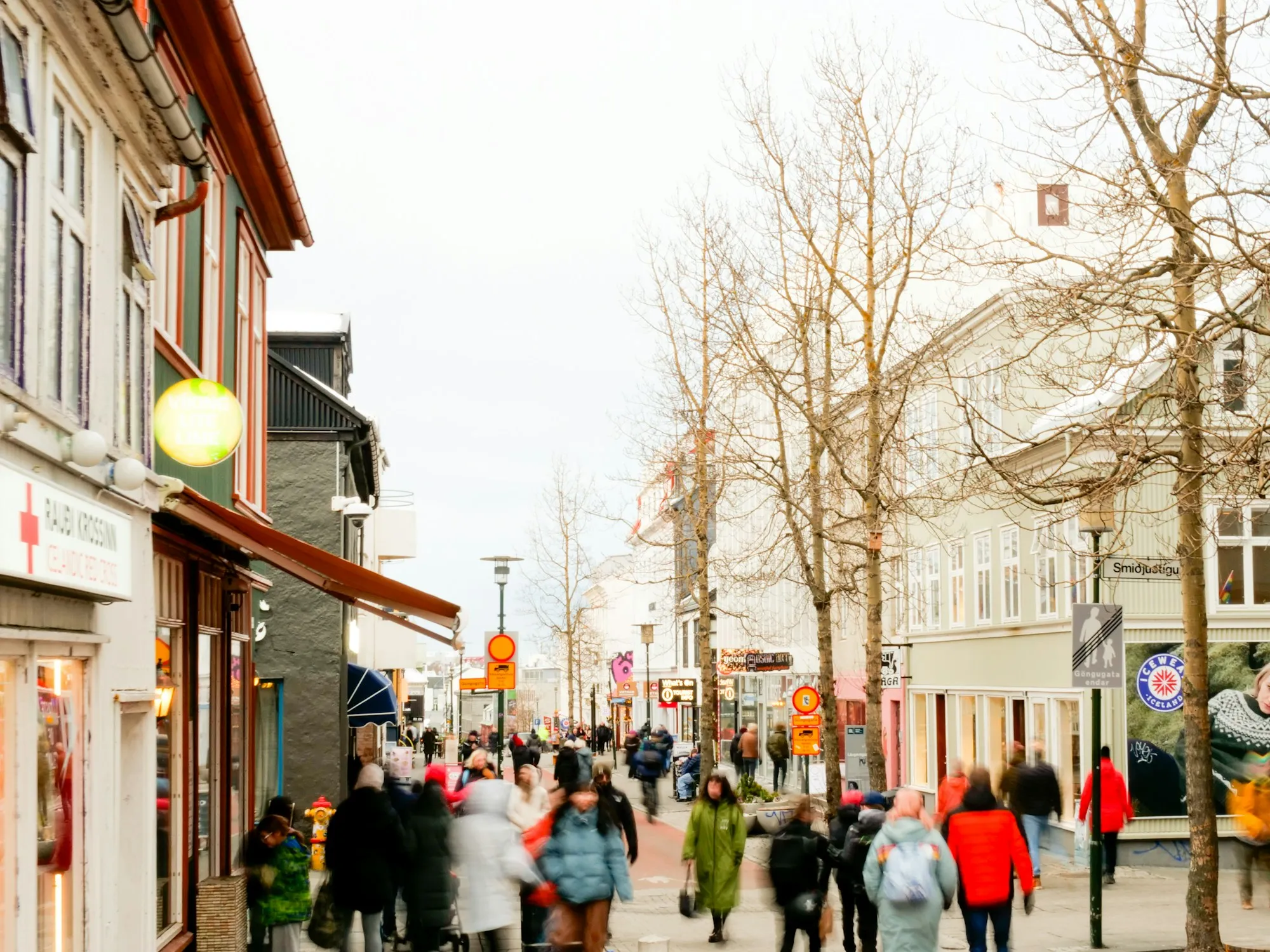
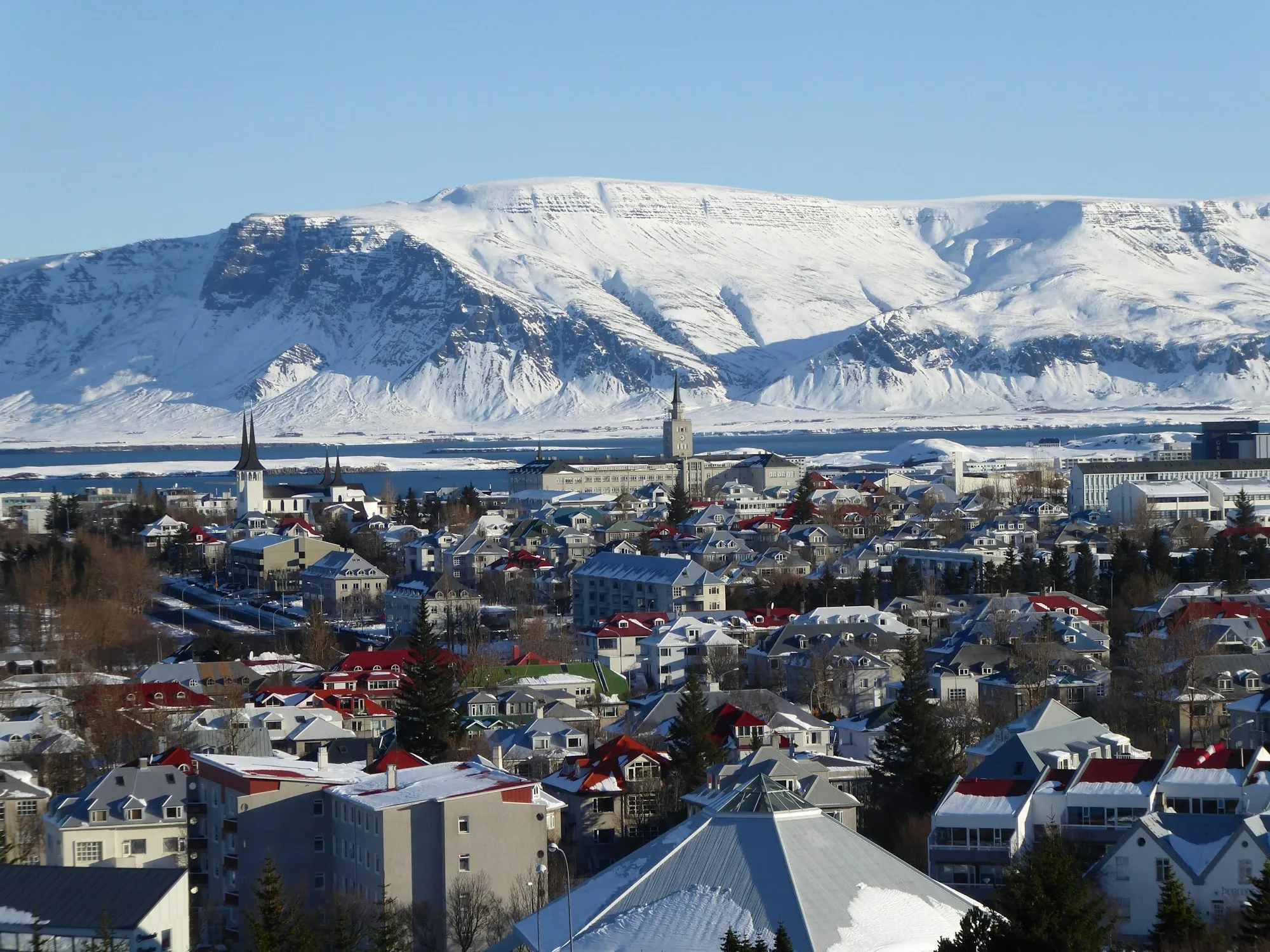
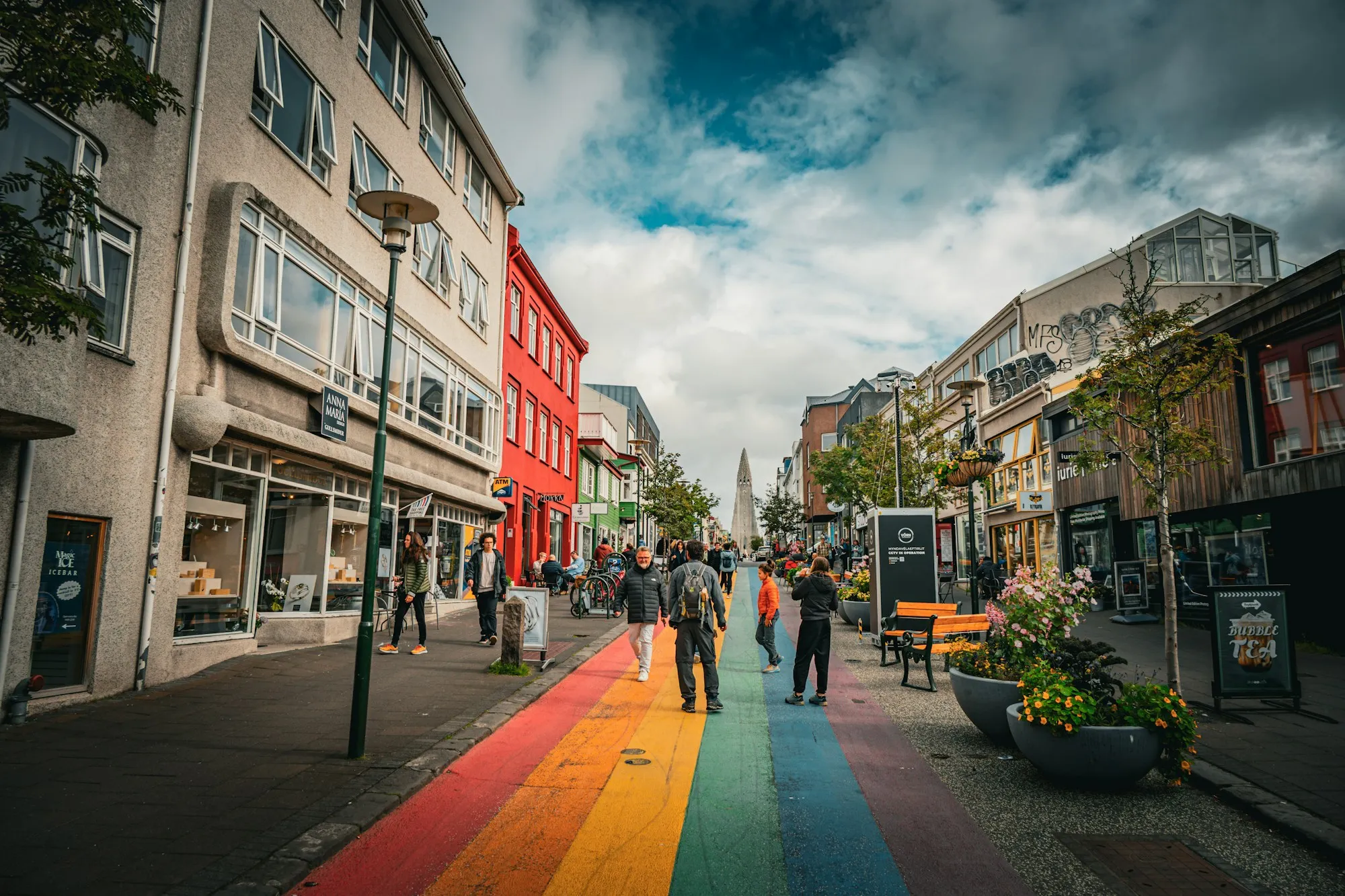
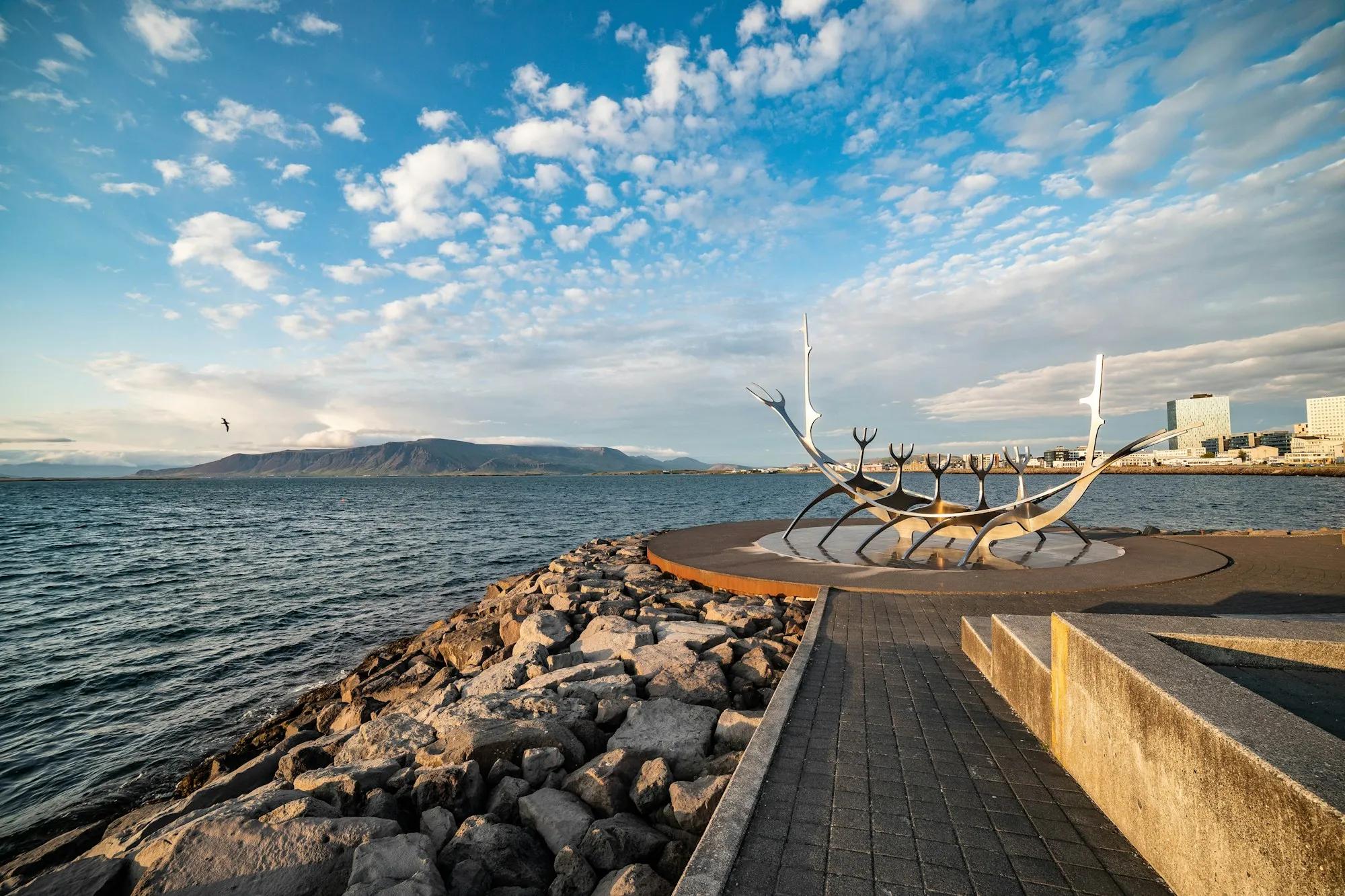
Reykjavik offers a different kind of urban setting. Unlike larger European capitals, it maintains a small-town feel despite being the country's largest city. Its downtown core is walkable, allowing visitors to explore on foot. The city's buildings are often colorful, contrasting with the often dramatic, volcanic landscapes that surround it. Reykjavik's cultural scene includes various museums, art galleries, and venues, providing insight into Icelandic heritage and contemporary life. The city's commitment to sustainability is also noticeable, aligning with Iceland's emphasis on renewable energy. For those interested in geology, history, or simply experiencing a unique Nordic culture, a visit to Reykjavik provides a good starting point for an Icelandic adventure.
Exploring Reykjavik's Main Areas
Reykjavik is relatively compact, with its main attractions concentrated in a few key areas.
Miðborg (Downtown)
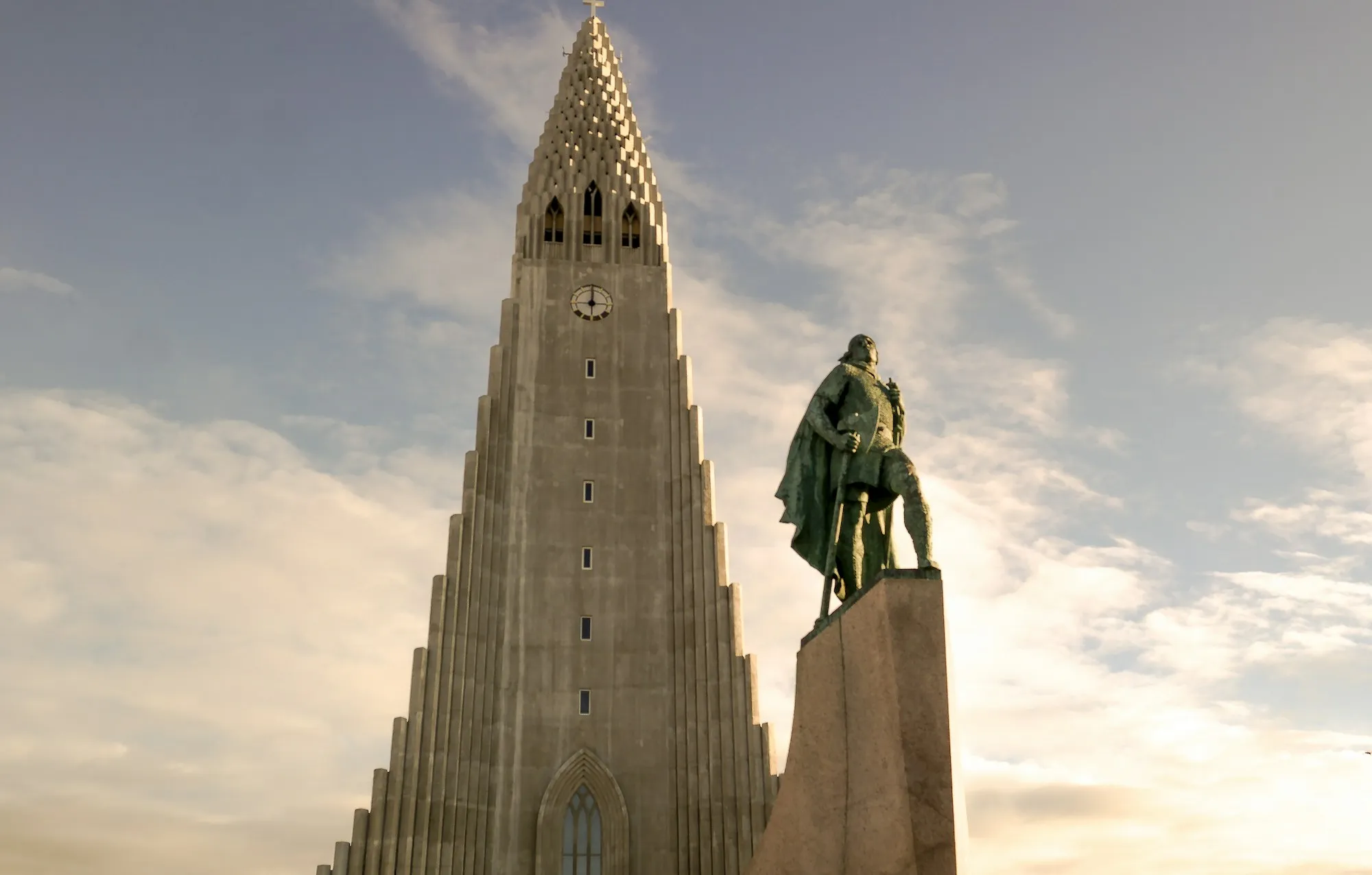
This is the heart of Reykjavik, home to many of its most recognized landmarks. You'll find Hallgrímskirkja church, a significant architectural structure offering views over the city from its tower. The main shopping streets, Laugavegur, Skólavörðustígur, and Bankastræti, are located here, featuring local boutiques, cafes, and restaurants. The area also includes cultural institutions like Harpa Concert Hall and Conference Centre by the Old Harbour, known for its distinct glass facade. Exploring Miðborg is often a focus for a Reykjavik trip, offering a concentration of services and sights.
Old Harbour (Gamla Höfnin)
Situated adjacent to Miðborg, the Old Harbour area has transformed into a lively district. It's a departure point for many boat tours, such as whale watching or puffin tours. The area features seafood restaurants and small shops, along with maritime museums and art spaces. It offers a different perspective on the city, blending its seafaring history with modern development.
Laugardalur
Located a short distance from the city centre, Laugardalur is a recreational area known for its green spaces and sports facilities. It is home to Laugardalslaug, Reykjavik's largest geothermal swimming pool, and the city's botanical garden. While not as central as Miðborg, it offers a relaxing contrast and showcases how geothermal energy is integrated into daily life for local residents.
How Long to Stay in Reykjavik?
The ideal duration for your Reykjavik travel largely depends on whether you plan to focus solely on the city or use it as a base for exploring beyond. For a focused exploration of Reykjavik itself, two to three full days are often sufficient. This allows time to visit key landmarks, experience the city's atmosphere, and perhaps enjoy a geothermal bath or a museum.
However, many visitors choose to stay longer to take advantage of Reykjavik's position as a hub for day trips. Adding an extra three to five days allows for excursions to iconic Icelandic natural attractions such as the Golden Circle, the Blue Lagoon, or the South Coast. A total trip of five to eight days in Iceland, with Reykjavik as your base, is common for those wishing to see both the city and some of the country's natural wonders. Considering a longer stay can enhance your overall Reykjavik trip experience, offering a broader view of Iceland.
Getting Around Reykjavik
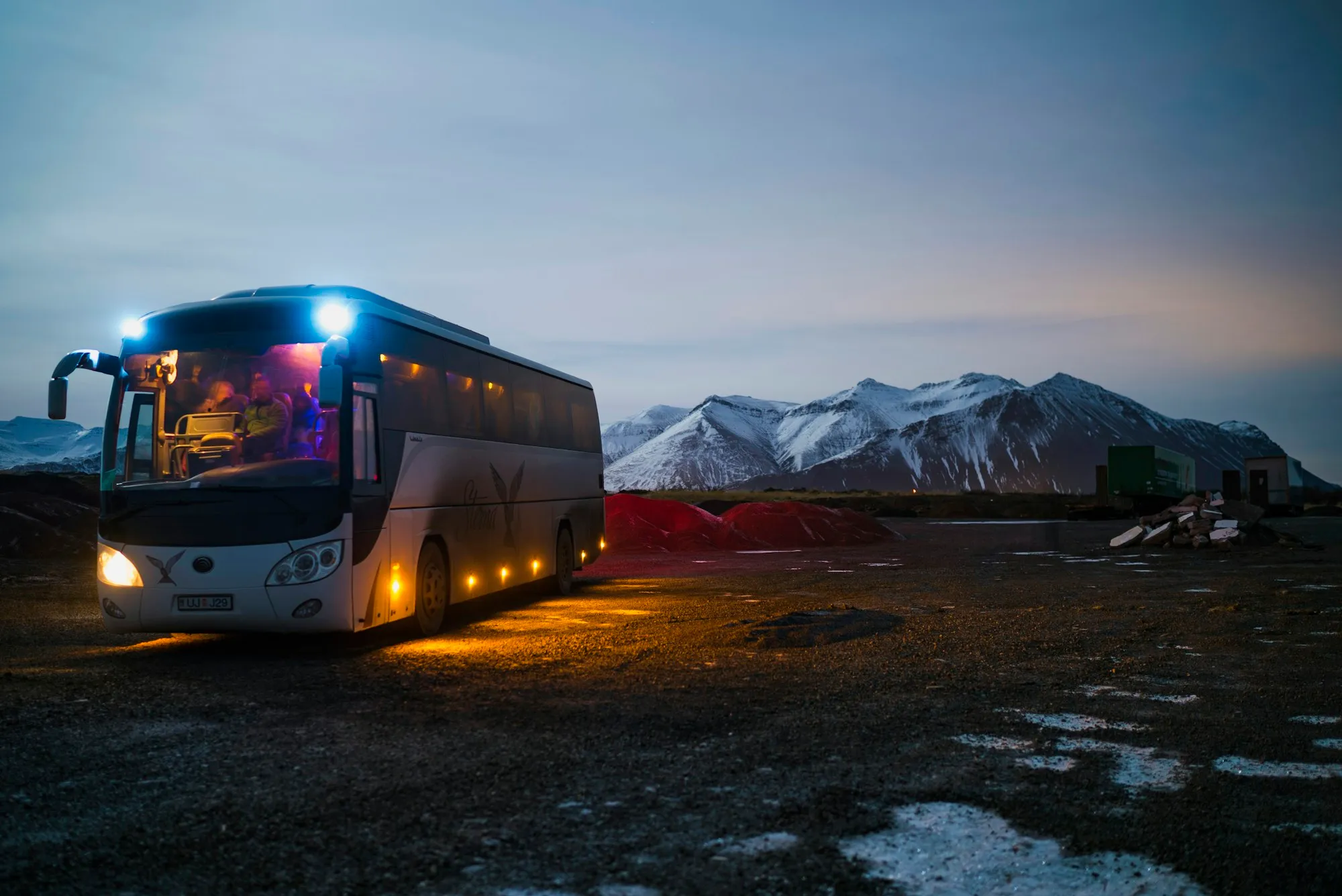
Reykjavik's city centre is very walkable, making it easy to explore on foot. For areas further out, like Laugardalur, the local bus system (Strætó) provides connections. Taxis are available, though they can be more expensive. Many visitors also opt to rent a car, especially if planning extensive day trips outside the city. However, for exploring downtown, walking is often the most practical and enjoyable way to experience the city's streets and atmosphere.
Your Next Steps for a Reykjavik Trip
To make the most of your visit to Reykjavik, consider exploring guided experiences that can introduce you to the city's culture or take you to the surrounding natural wonders. Yovu offers verified, small-group and sustainable tours designed to provide authentic experiences while minimizing environmental impact. Planning your Reykjavik travel in advance, especially for popular tours, can ensure availability and a smoother trip. For more information and to view available options, you can Explore Reykjavik Tours directly.
Whether you are interested in a city walking tour or an excursion to Iceland's landscapes, a well-planned itinerary can help you discover the unique appeal of this northern capital. To find experiences tailored to your interests, begin by browsing the available tours. You can Explore Reykjavik Tours and see what best fits your travel plans. Don't miss out on opportunities to make your Reykjavik trip memorable. For a selection of curated options, Explore Reykjavik Tours and start planning your adventure today.