Overall Best Time to Visit Reykjavik
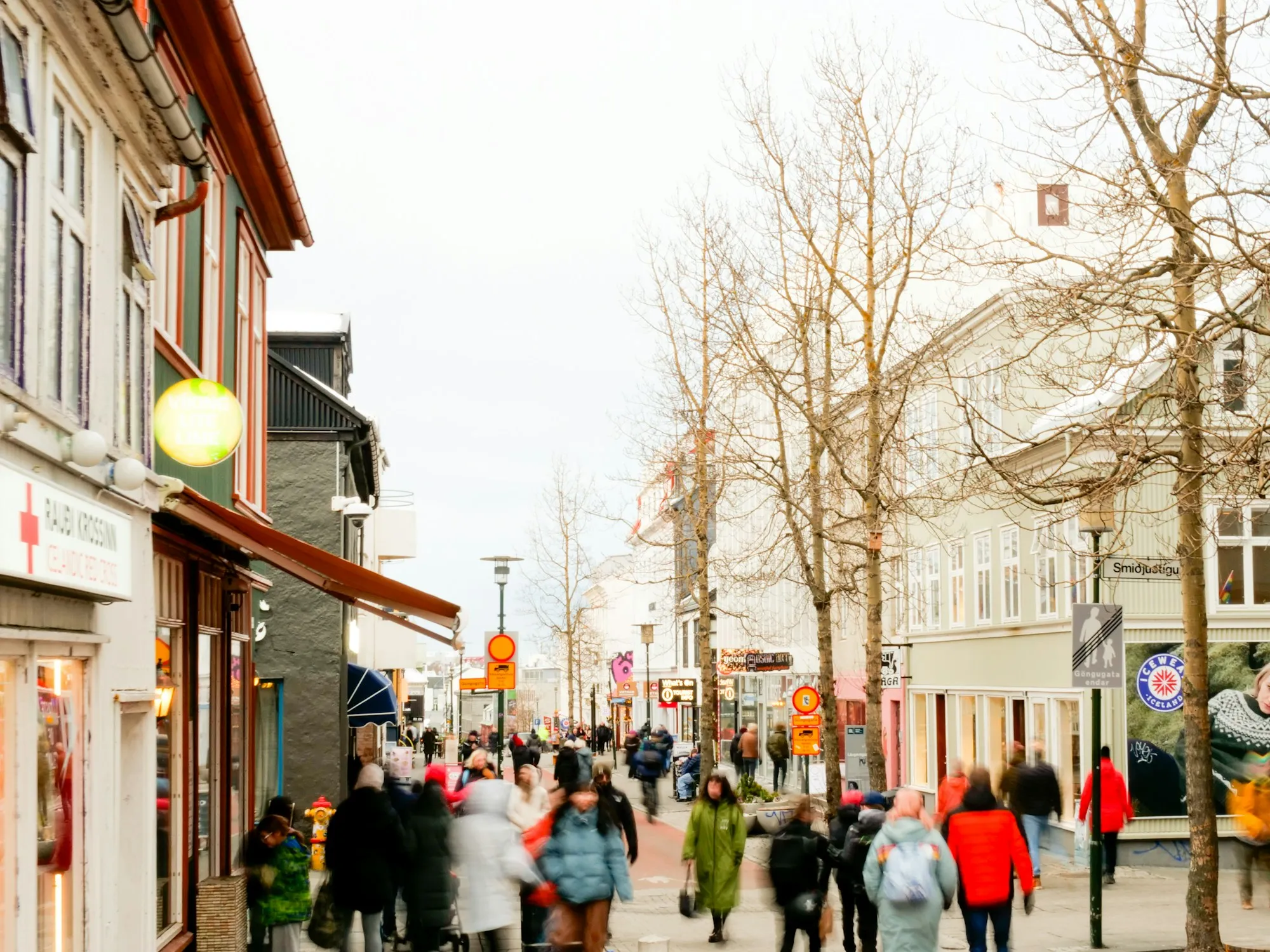
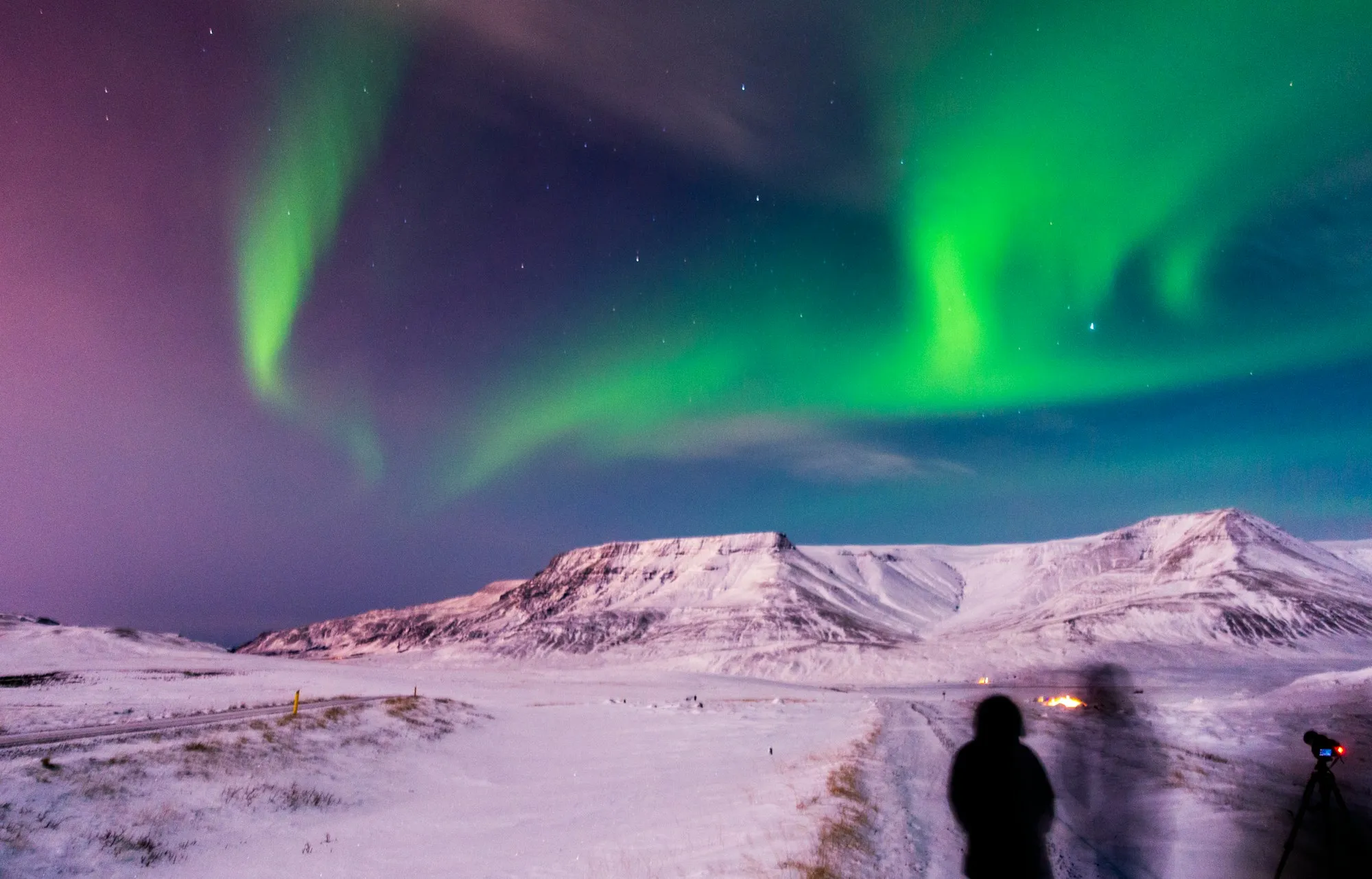
For many travelers, the best time to visit Reykjavik is during the summer months, from June to August. During this period, the city experiences its mildest temperatures, with average highs around 13-14°C (55-57°F), longer daylight hours, and the famous midnight sun. This allows for extensive exploration of the city and its surrounding natural landscapes, making it ideal for those interested in hiking, sightseeing, and enjoying outdoor excursions. However, summer is also the most popular season, leading to higher prices and larger crowds. For those keen on seeing the Northern Lights, late autumn to early spring (September to April) offers the best chances, though with colder weather and fewer daylight hours.
Reykjavik Weather by Month and Season
Understanding Reykjavik weather by month is key to planning your trip, as conditions can vary significantly throughout the year.
#### Summer (June to August)
Summer in Reykjavik is characterized by long days and relatively mild temperatures. June sees the longest daylight hours, approaching 24 hours around the summer solstice. Average temperatures range from 9°C (48°F) to 14°C (57°F). While it's the warmest period, rain is still possible, so layered clothing and waterproof outerwear are advisable. This season is prime for outdoor activities like whale watching, puffin tours, and exploring the Golden Circle. Due to its popularity, accommodation and tour prices can be higher, and attractions will be more crowded. Festivals, such as the Secret Solstice, also take place during these months.
#### Autumn (September to November)
Autumn brings a transition in weather and landscape. Temperatures gradually drop, ranging from 4°C (39°F) to 10°C (50°F). Daylight hours shorten considerably, and the chances of seeing the Northern Lights increase as the nights grow longer and darker. September can still feel relatively mild, but by November, winter conditions begin to set in with colder temperatures and increased precipitation, including early snow. Crowds begin to thin out after September, and prices for flights and lodging may become more moderate. This is a good time for those who want a balance of outdoor activities and Northern Lights hunting without the peak summer crowds.
#### Winter (December to February)
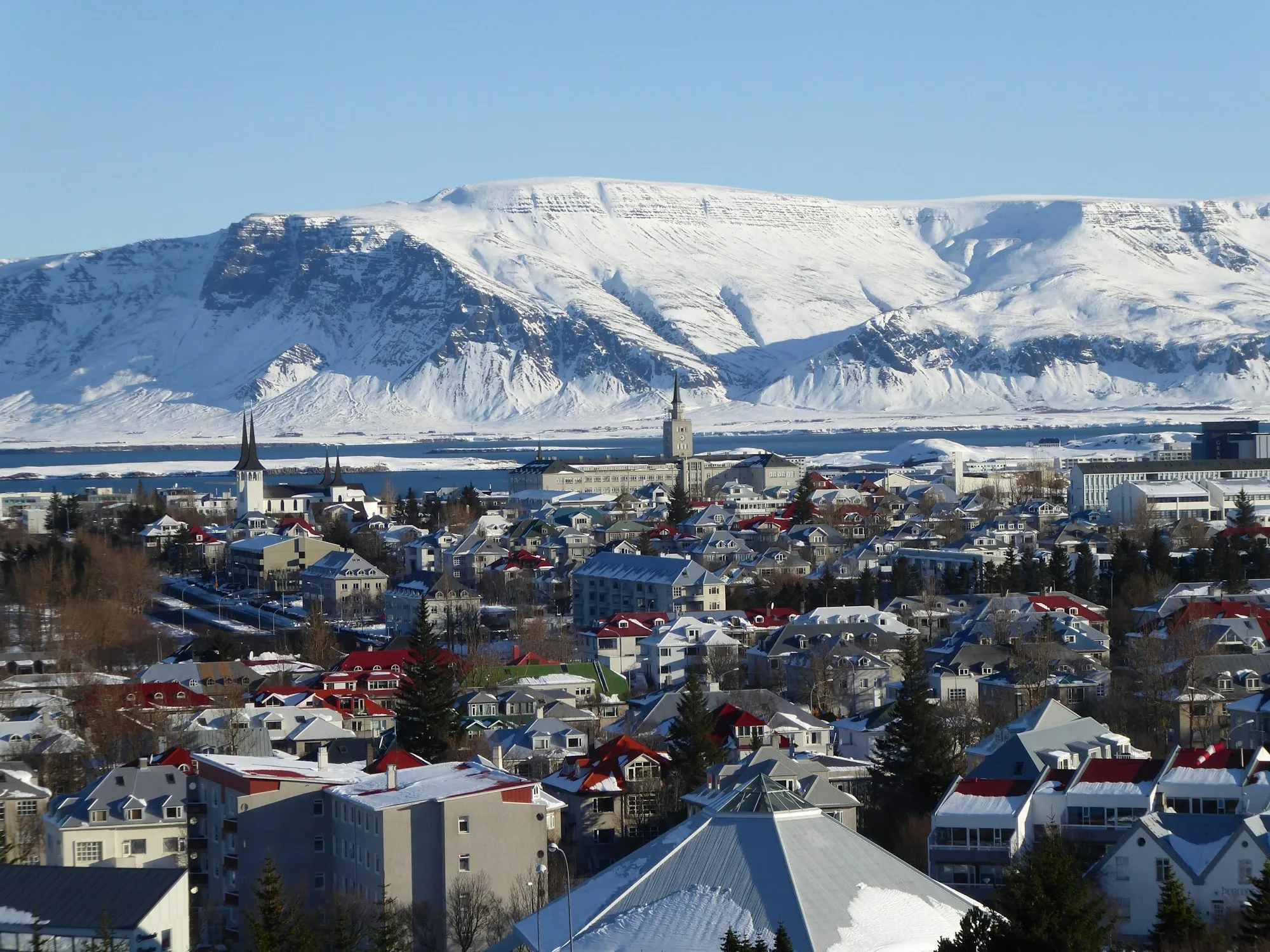
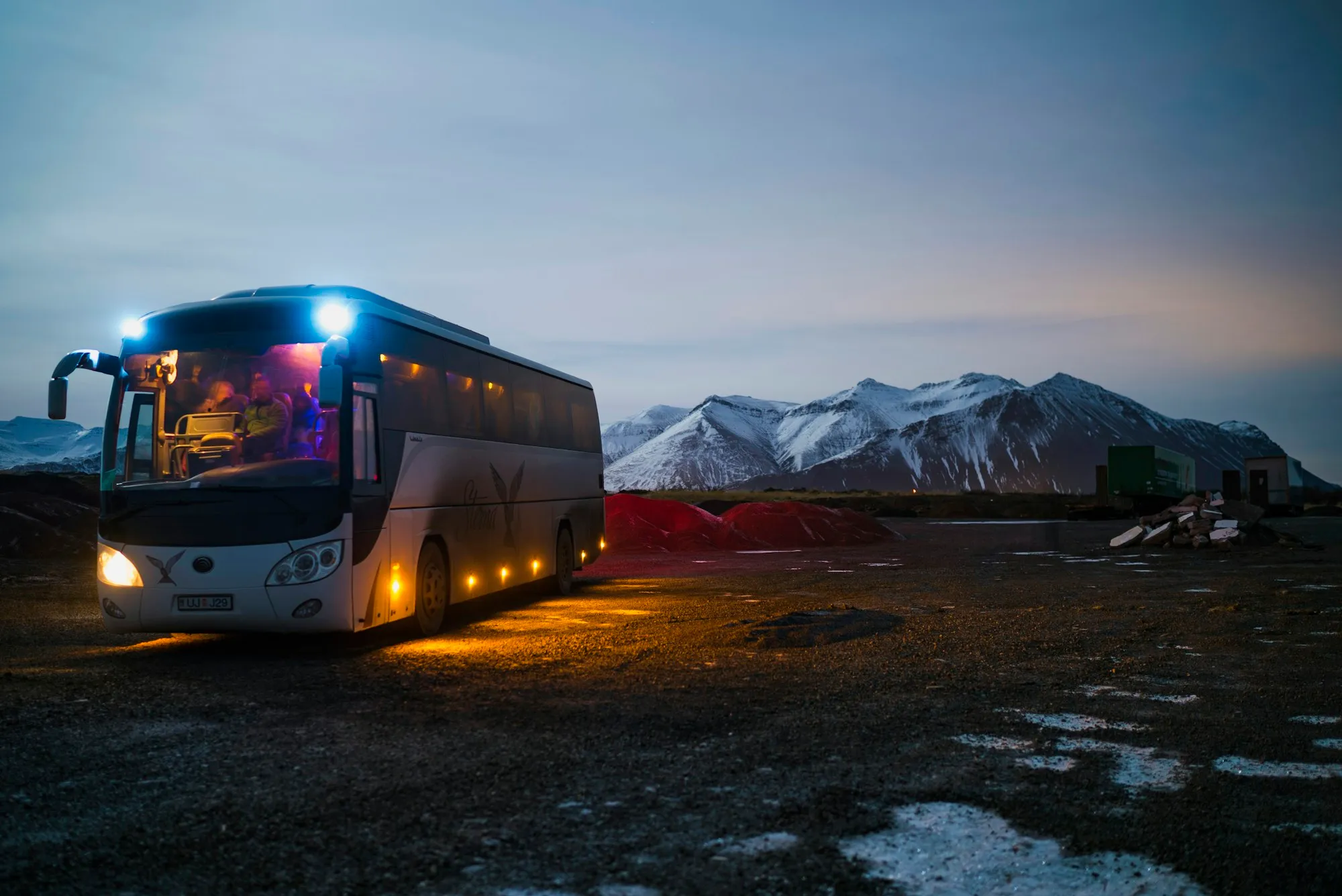
Reykjavik in winter is a dramatic experience of short days, long nights, and cold temperatures. Daylight can be as little as 4-5 hours around the winter solstice in December. Average temperatures hover around -1°C (30°F) to 2°C (36°F), often feeling colder due to wind chill. Snowfall is common, transforming the city and surrounding areas into a snowy landscape. Despite the cold, winter is the best time for Northern Lights viewing, with clear, dark skies offering the greatest potential. Ice caves and glacier tours are also popular. While challenging due to the weather, visiting in winter can mean fewer tourists, particularly outside of the holiday season, and potentially lower prices for some services. For planning a winter trip, our Reykjavik travel guide offers more specific advice.
#### Spring (March to May)
Spring sees a gradual increase in daylight and temperatures, though conditions can still be unpredictable. March often still feels like winter, with temperatures around 0°C (32°F) to 3°C (37°F). By May, temperatures can reach 5°C (41°F) to 9°C (48°F). The landscape begins to green, and migratory birds return. Northern Lights viewing is still possible in early spring, especially March and April, but becomes less likely as daylight hours extend into May. Crowds are generally lower than in summer, offering a more relaxed experience with moderate pricing. This can be a good shoulder season option for those seeking a balance between winter's aurora potential and summer's milder weather.
Month-by-Month Overview
* January: Coldest month, short daylight, excellent for Northern Lights. Expect snow and ice. * February: Still cold with short days, good for Northern Lights. Winter activities continue. * March: Transition month, still cold but longer daylight. Northern Lights possible. Less crowded. * April: Increasing daylight, warming slightly. Still some chance for Northern Lights. Snow melts. * May: Noticeable warming, longer days. Puffin season begins. Fewer crowds before peak summer. * June: Start of summer, mildest weather, near 24 hours of daylight. Popular for outdoor activities. * July: Peak summer, warmest temperatures, full daylight. Highest tourist numbers and prices. * August: Continues to be mild with long days, but daylight starts to shorten. Good for outdoor activities. * September: Beginning of autumn, cooler, darker nights return. Good for Northern Lights. Crowds decrease. * October: Colder, more rain/wind. Northern Lights viewing improves. Fall colors are present. * November: Winter approaches, colder, shorter days. Good for Northern Lights. Fewer tourists. * December: Shortest daylight, cold and snowy. Excellent for Northern Lights and festive atmosphere.
Planning Your Activities
Your choice of travel time will significantly influence available activities. Those interested in extended daylight for hiking, road trips, and exploring the diverse landscapes should target summer. If seeing the Aurora Borealis is your priority, then a trip during the darker months is essential. For more ideas on what to do, refer to our guide on Things to do in Reykjavik.
Consider also that some Day trips from Reykjavik are easier to access or more pleasant in certain seasons due to road conditions or daylight.
Ready to Explore Reykjavik?
No matter when you decide to visit, Reykjavik offers unique experiences. Plan your trip according to your preferences for weather, daylight, and activities. To discover available experiences, browse our Tours and activities in Reykjavik today.