When to Go to Reykjavik
The best time to visit Reykjavik largely depends on what you wish to experience. Each season offers distinct advantages:
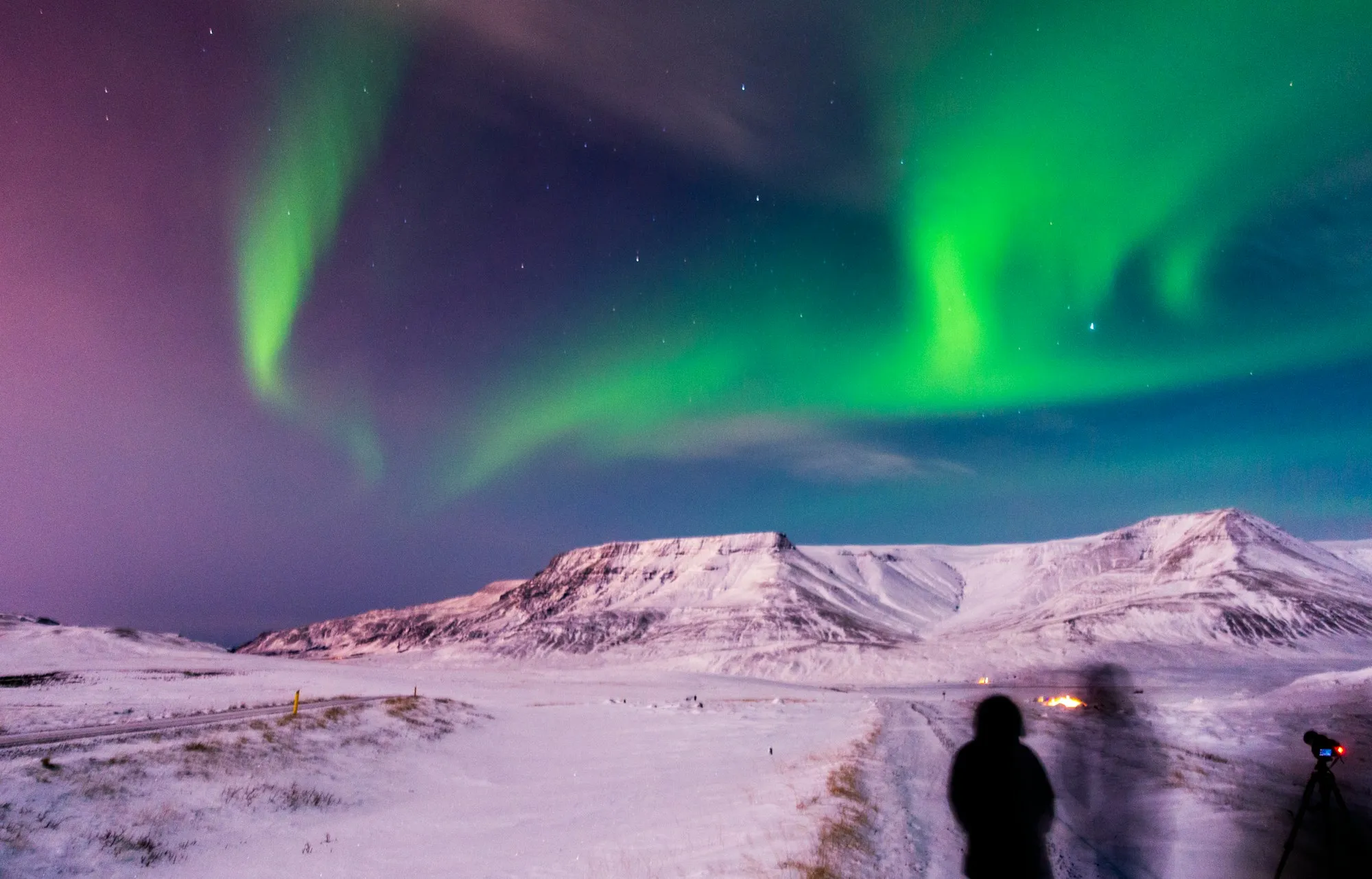
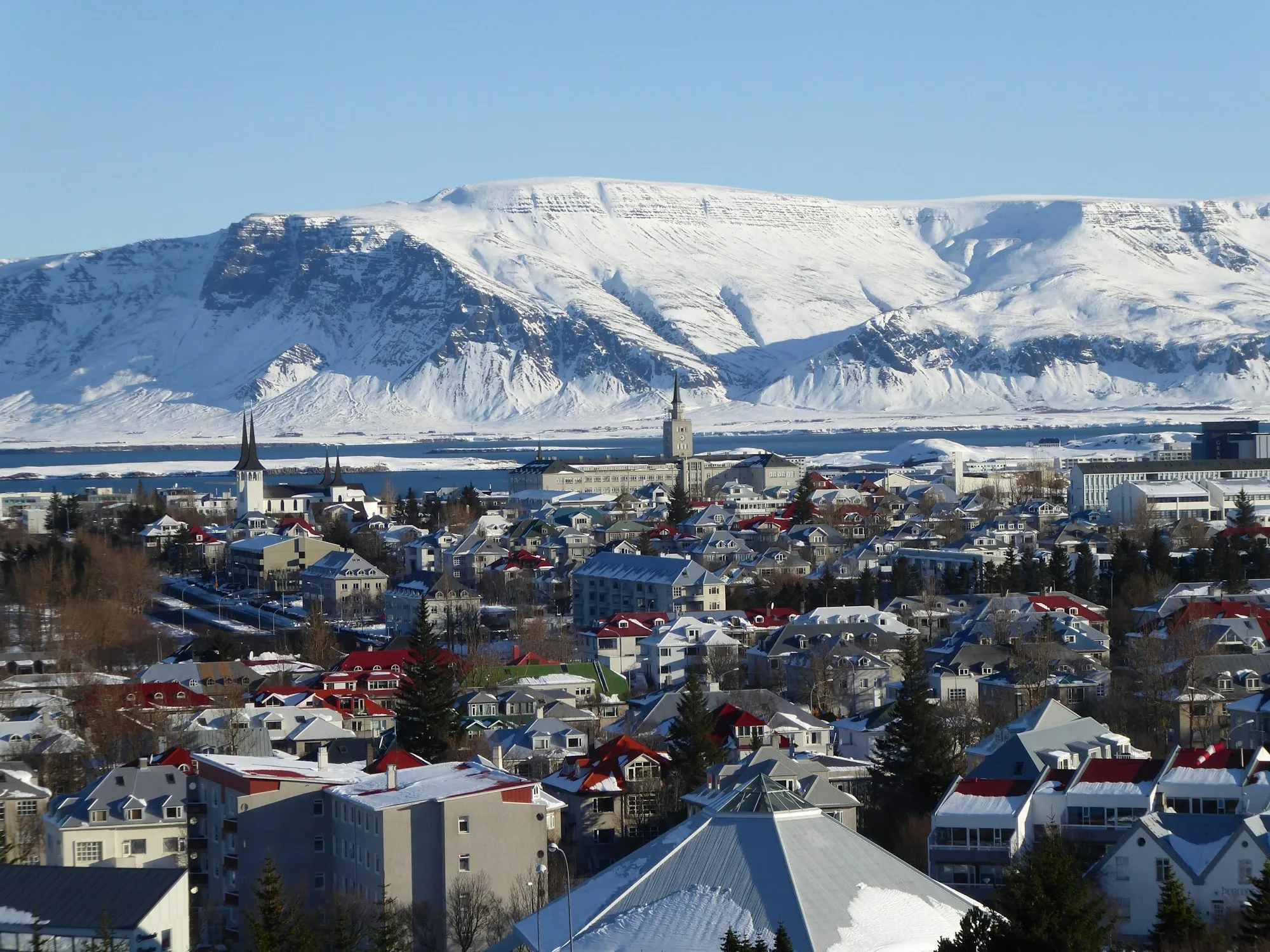
* Summer (June - August): These are the warmest months, with average temperatures ranging from 10-13°C (50-55°F). You'll experience nearly 24 hours of daylight thanks to the Midnight Sun, which is ideal for sightseeing, hiking, and exploring the outdoors. More services and tours are available, but it's also the busiest and most expensive season. * Winter (November - March): Temperatures average around 0°C (32°F) and can drop below freezing. Days are short, offering only a few hours of daylight. This is prime time for seeing the Northern Lights, enjoying snow-covered landscapes, and experiencing winter sports. It's generally less crowded, but some roads and activities might be limited due to weather. * Shoulder Seasons (April-May and September-October): These months offer a balance. Spring sees melting snow and longer days, while autumn brings changing foliage and good chances of Northern Lights without the extreme cold of winter. Crowds are smaller than in summer, and prices for accommodation and flights might be more moderate.
How Many Days to Spend in Reykjavik
For Reykjavik itself, 3 to 4 days is often sufficient to explore the city's main attractions, museums, and enjoy its culinary scene. This allows for a relaxed pace and time to soak in the atmosphere. However, most travelers use Reykjavik as a base to explore Iceland's natural wonders.
If you plan to include popular day trips such as the Golden Circle, the South Coast, or the Snaefellsnes Peninsula, you should budget at least 5 to 7 days for your entire trip. This allows you to combine urban exploration with unforgettable excursions into the Icelandic landscape. For ideas on venturing out, check our dedicated page on Reykjavik Day Trips.
Money and Costs in Reykjavik
Iceland uses the Icelandic Króna (ISK). While credit and debit cards are widely accepted almost everywhere – from small shops to taxis – it's useful to have a small amount of local currency for minor purchases or in case of a rare card machine issue. Tipping is not customary in Iceland, as service charges are typically included in prices. You won't be expected to leave extra at restaurants or for taxi drivers.
Iceland is known for being an expensive destination. A good daily budget for a mid-range traveler, including accommodation, food, and some activities, can range significantly. Accommodation costs vary widely, and dining out can be costly. Groceries are a more affordable option if you have access to cooking facilities. Prioritize booking well in advance, especially during peak season, to potentially secure better rates.
Language and Communication
The official language of Iceland is Icelandic. It's a North Germanic language with roots in Old Norse. While it can appear complex, you don't need to learn Icelandic to get by. English is widely spoken and understood, especially within the tourism and service industries. Most Icelanders are proficient in English, and you'll find menus, signs, and information readily available in English. Learning a few basic phrases like "Halló" (Hello), "Takk" (Thank you), and "Góðan daginn" (Good day) can be a nice gesture.
Safety and Local Customs
Reykjavik is consistently ranked as one of the safest cities in the world. Violent crime is rare, and tourists generally feel very secure walking around, even at night. However, standard travel precautions always apply: be aware of your belongings, especially in crowded areas, and avoid leaving valuables unattended.
When exploring Iceland's nature, safety is paramount. Weather can change rapidly and be unpredictable, even in summer. Always heed warnings, stay on marked paths, and inform someone of your plans if hiking in remote areas. Respect the environment; do not litter or disturb natural formations.
Regarding local customs:
* Punctuality: Icelanders appreciate punctuality, whether for appointments or tour departures. * Shoes Indoors: It's customary to remove your shoes when entering someone's home. * Hot Tubs and Pools: If visiting public pools or geothermal baths, showering naked before entering is mandatory and crucial for hygiene.
Getting Around Reykjavik
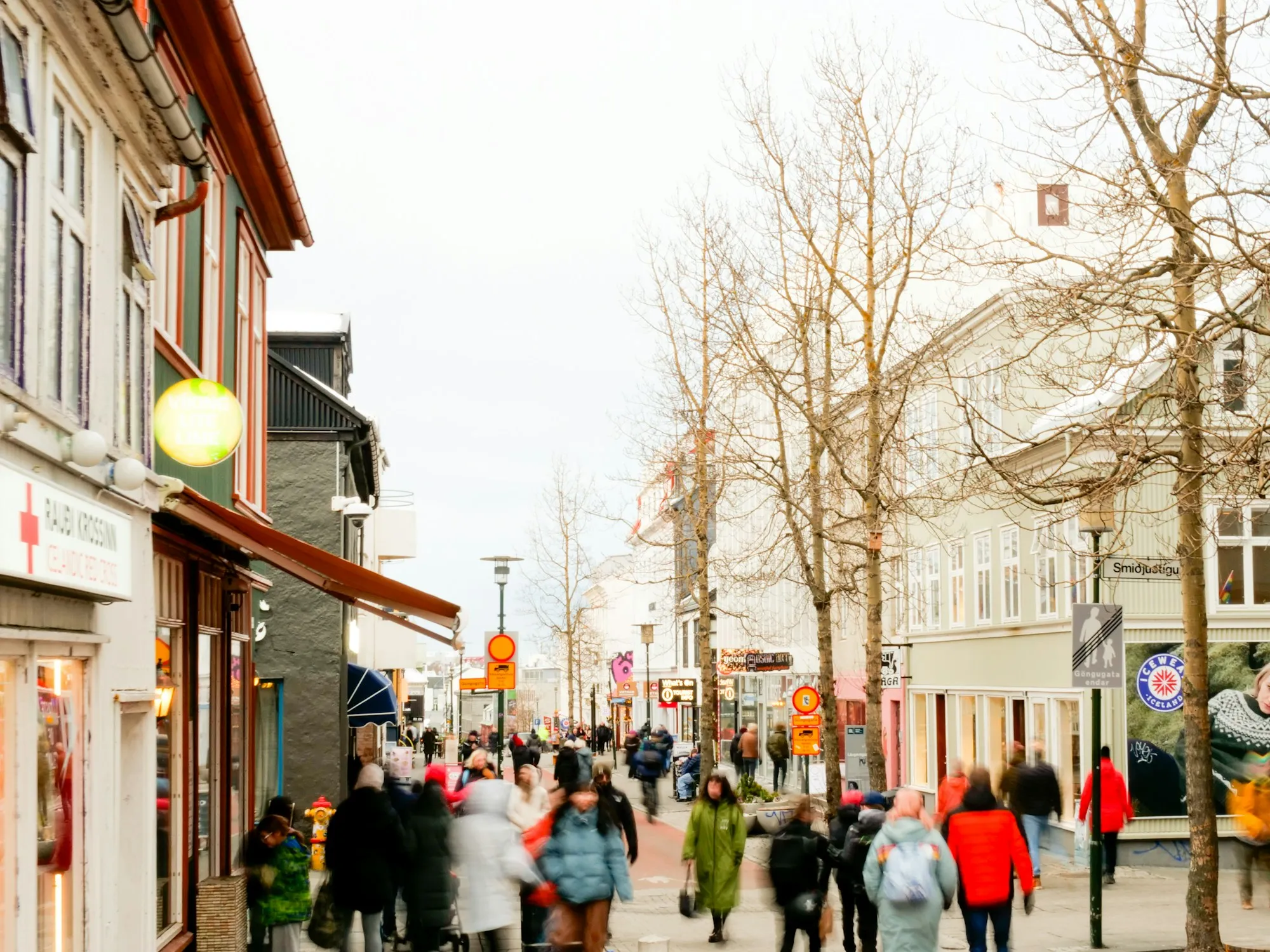
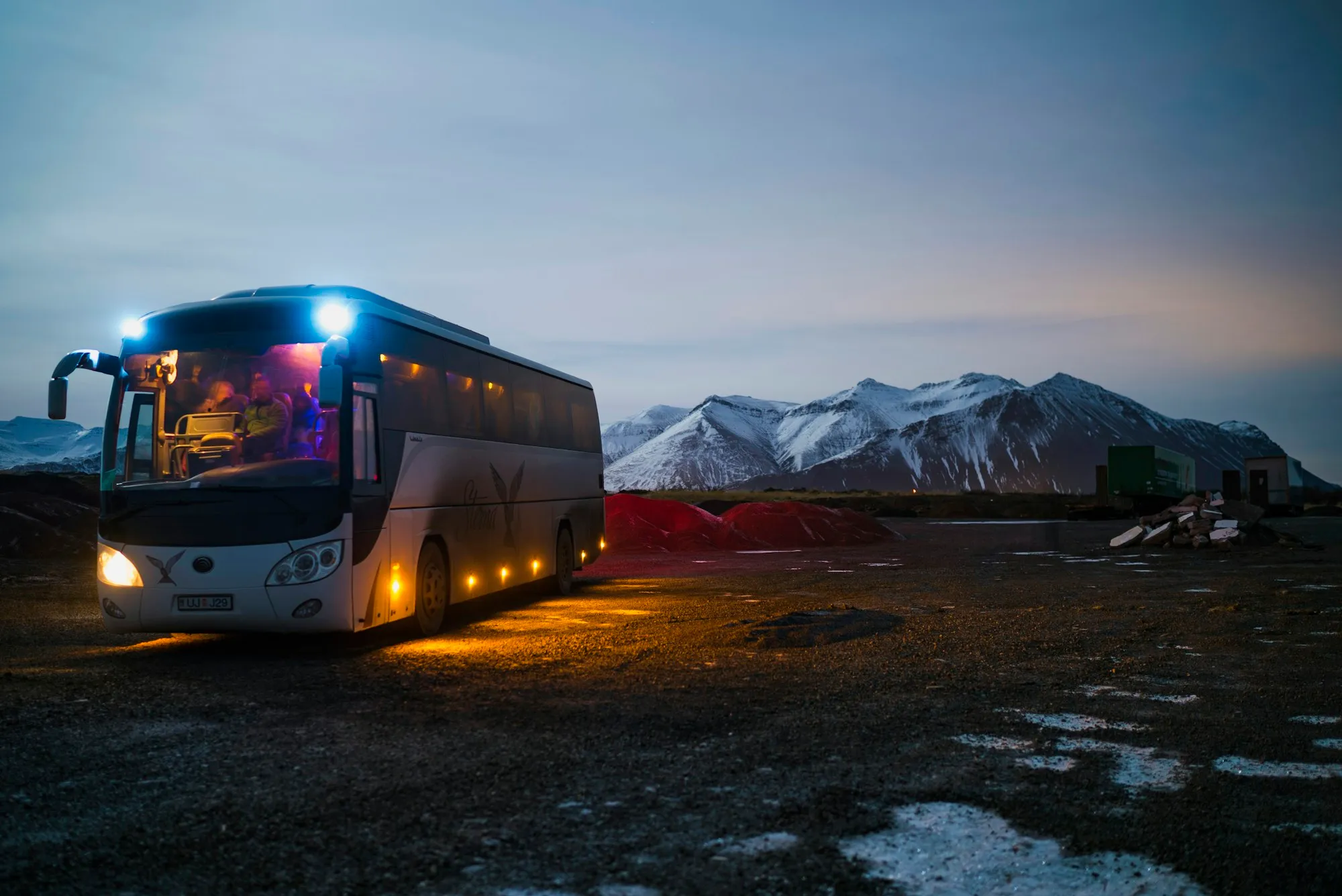
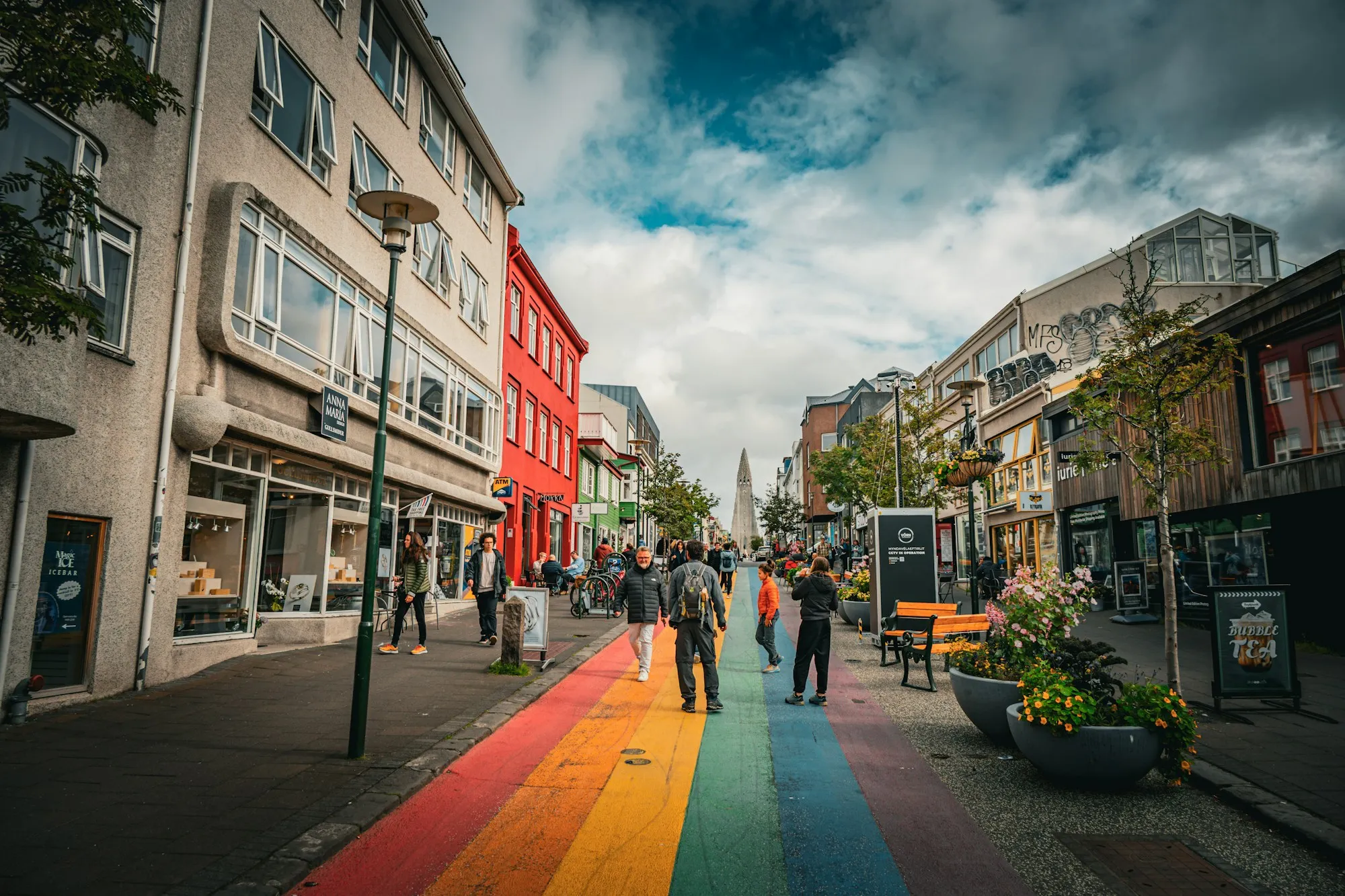
Reykjavik's city center is quite compact and easily explored on foot. Many of the main attractions are within walking distance of each other. For longer distances, or to reach areas outside the immediate downtown, the public bus system (Strætó) is available. You can pay with cash (exact change often required), a multi-ride card, or via their app. Taxis are available but can be expensive. If you plan to take Day Trips from Reykjavik, renting a car offers the most flexibility, but be prepared for Icelandic driving conditions, especially in winter. For more detailed information, consult our Getting Around Reykjavik guide.
Plan Your Reykjavik Tours and Activities
Now that you have this Reykjavik travel guide, you're better prepared to explore this captivating city. Whether you're interested in cultural sites, culinary experiences, or venturing into Iceland's dramatic landscapes, there's much to discover. To find verified, small-group and sustainable options for exploring Reykjavik and beyond, browse available Tours and Activities.